
Traveling is one of the most rewarding experiences you can have, but many people believe it requires a huge budget. Flights, hotels, food, transportation, and attractions can quickly add up, making travel seem out of reach.
The good news is that budget travel isn’t about sacrificing comfort or missing out on amazing experiences. It’s about making smart decisions before and during your trip. With the right planning, you can explore incredible destinations without emptying your bank account.
This Budget Travel Guide for Beginners covers everything you need to know, from planning your trip and finding cheap flights to saving money on accommodation, transportation, food, and sightseeing. Whether you’re planning your first solo adventure or a family vacation, these tips will help you travel confidently and affordably.
Why Budget Travel Makes Sense
Budget travel is more than simply spending less money. It allows you to:
- Travel more often
- Visit more destinations
- Reduce financial stress
- Experience local culture instead of tourist traps
- Build smarter travel habits
Many experienced travelers continue using budget travel strategies even when they can afford luxury vacations because these habits help maximize every dollar spent.
How to Plan a Budget-Friendly Trip
Planning is where most travel savings happen.
Set Your Travel Budget

Before booking anything, decide how much you’re comfortable spending.
Break your budget into categories:
| Expense | Percentage of Budget |
|---|---|
| Flights | 30–40% |
| Accommodation | 25–35% |
| Food | 15–20% |
| Transportation | 10–15% |
| Activities | 10–20% |
Having spending limits prevents expensive surprises later.
Pick Affordable Destinations
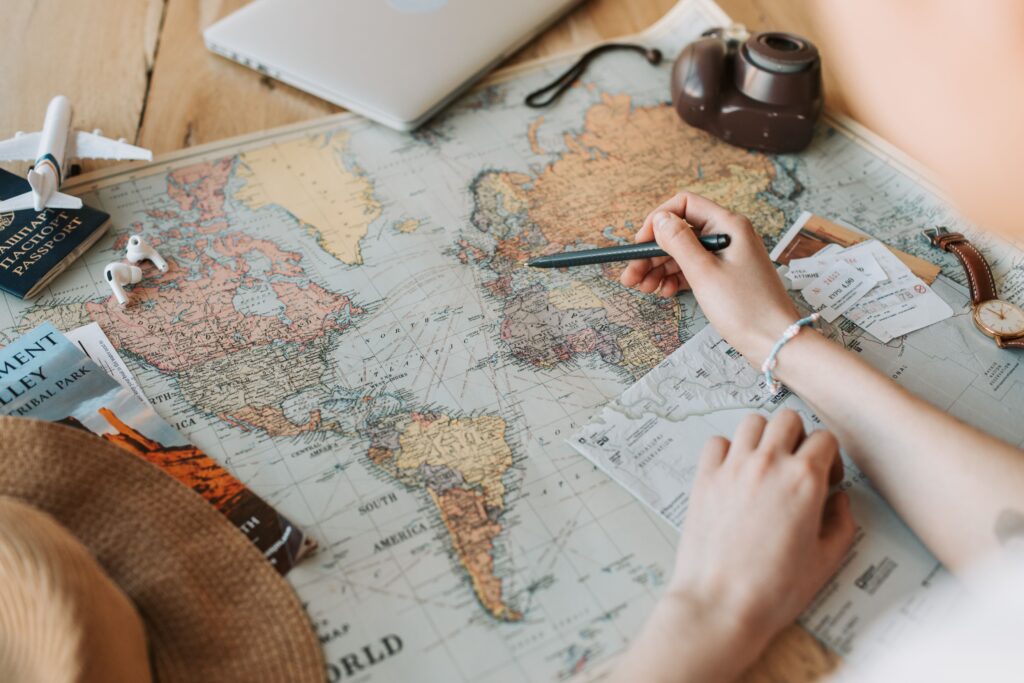
Choosing the right destination can save thousands.
Instead of visiting expensive cities during peak season, consider destinations where your money goes further.
Examples include:
- Vietnam
- Thailand
- Indonesia
- Portugal
- Hungary
- Georgia
- Mexico
- Albania
These countries offer affordable accommodation, transportation, and dining while still providing unforgettable experiences.
Travel During Off-Season

One of the easiest ways to reduce travel costs is avoiding peak tourist periods.
Benefits include:
- Lower airfare
- Cheaper hotels
- Smaller crowds
- Better local experiences
- Easier attraction access
Even traveling one month before or after peak season can significantly reduce expenses.
Finding Cheap Flights
Flights usually represent the biggest travel expense.
Fortunately, there are several ways to reduce airfare.
Book at the Right Time
While prices constantly change, booking in advance often provides better deals.
General guidelines:
- Domestic flights: 1–3 months early
- International flights: 3–6 months early
Avoid booking at the last minute unless you’re targeting special last-minute deals.
Be Flexible with Dates

Changing your departure by just one or two days can sometimes save hundreds of dollars.
Try:
- Flying Tuesday or Wednesday
- Early morning departures
- Late-night flights
- Red-eye flights
Flexibility almost always pays off.
Compare Multiple Booking Platforms
Never purchase the first ticket you find.
Compare prices across different travel booking websites before making your decision.
Also compare:
- Nearby airports
- One-way tickets
- Multi-city itineraries
Sometimes booking separate tickets is cheaper than a round trip.
Travel With Carry-On Only
Budget airlines charge heavily for checked baggage.
Traveling with only a carry-on helps you:
- Avoid baggage fees
- Save airport time
- Reduce lost luggage risks
- Move around easily
Packing lighter also makes public transportation much easier.
Saving Money on Accommodation
Accommodation is usually the second-largest expense.
Thankfully, there are plenty of affordable options.
Budget Hotels
Budget hotels provide basic comfort at affordable prices.
They’re ideal if you mainly need:
- A clean room
- Private bathroom
- Comfortable bed
- Good location
Hostels
Hostels are excellent for beginners.
Advantages include:
- Low nightly rates
- Shared kitchens
- Free activities
- Meeting fellow travelers
Many hostels also offer private rooms for couples or families.
Vacation Rentals
Apartments can be cheaper than hotels for longer stays.
Benefits include:
- Kitchen access
- Laundry facilities
- More living space
- Lower cost per person for groups
Stay Longer
Many accommodations offer weekly or monthly discounts.
If your schedule allows, staying several nights in one destination often lowers your average accommodation cost.
Saving Money on Food
Food doesn’t have to destroy your travel budget.
Eat Where Locals Eat
Restaurants near tourist attractions usually charge premium prices.
Instead:
- Visit neighborhood restaurants
- Eat at food courts
- Try local cafés
- Ask residents for recommendations
You’ll usually get better food at lower prices.
Use Grocery Stores
Buying breakfast, snacks, and drinks from supermarkets saves a surprising amount over the course of a trip.
Great items include:
- Fresh fruit
- Sandwiches
- Yogurt
- Bread
- Bottled water
Cook Occasionally
If your accommodation has a kitchen, preparing a few meals yourself can dramatically reduce food costs.
Even cooking breakfast each morning can save a significant amount.
Carry a Reusable Water Bottle
Buying bottled water several times daily quickly becomes expensive.
Many destinations have refill stations, helping you save money while reducing plastic waste.
Affordable Transportation Tips
Transportation costs vary widely depending on the destination.
Use Public Transport
Instead of taxis, choose:
- Metro
- Subway
- Local buses
- Trams
- Regional trains
Many cities also sell unlimited day or weekly transit passes.
Walk Whenever Possible
Walking helps you:
- Save money
- Discover hidden neighborhoods
- Take better photos
- Enjoy local culture
Many attractions are surprisingly close together.
Compare Ride-Sharing Options
Sometimes ride-sharing services are cheaper than taxis.
Before booking, compare:
- Local taxi rates
- Ride-sharing apps
- Airport shuttle buses
Overnight Transportation
Long-distance overnight buses and trains save both transportation and accommodation costs.
This strategy works well for budget travelers visiting multiple cities.
Enjoy Attractions Without Overspending
Entertainment doesn’t have to be expensive.
Visit Free Attractions

Many destinations offer:
- Public parks
- Beaches
- Museums on free-entry days
- Walking tours
- Historic neighborhoods
- Local festivals
Some of the best travel memories cost nothing.
Buy City Passes

If you plan to visit multiple attractions, city tourism passes often provide:
- Discounted entry
- Free transportation
- Skip-the-line access
Calculate whether the pass matches your itinerary before purchasing.
Prioritize Experiences
Instead of trying to see everything, focus on attractions that genuinely interest you.
Quality experiences create better memories than checking items off a long list.
Essential Budget Travel Checklist
Before leaving home, make sure you have:
- Passport
- Travel insurance
- Copies of important documents
- Emergency contacts
- International payment card
- Portable charger
- Universal adapter
- Reusable water bottle
- Lightweight backpack
- Basic medications
Preparation prevents costly emergencies later.
Budget Travel Mistakes Beginners Should Avoid
Many first-time travelers accidentally overspend.
Common mistakes include:
- Booking flights without comparing prices
- Traveling during holidays
- Ignoring baggage fees
- Eating every meal in tourist areas
- Forgetting travel insurance
- Exchanging money at airports
- Booking hotels far from public transportation
- Overpacking and paying baggage charges
Avoiding these mistakes can save hundreds of dollars.
Budget Travel Comparison Table
| Category | Budget Option | Premium Option | Which is Better for Beginners? |
|---|---|---|---|
| Flights | Economy with carry-on | Business Class | Budget Option |
| Hotel | Budget Hotel | Luxury Resort | Budget Option |
| Transport | Public Transit | Taxi | Public Transit |
| Food | Local Restaurants | Tourist Restaurants | Local Restaurants |
| Activities | Free Attractions | Premium Tours | Mix Both |
| Shopping | Local Markets | Tourist Shops | Local Markets |
| Travel Insurance | Basic Coverage | Premium Coverage | Basic Coverage |
Pros and Cons of Budget Travel
Pros
- Travel more frequently
- Lower overall expenses
- Encourages smarter planning
- Authentic local experiences
- Greater financial flexibility
- Develops valuable travel skills
Cons
- More planning required
- Longer travel times
- Limited luxury
- Need to compare prices carefully
- Budget airlines often charge extra fees
Pro Tips From Experienced Budget Travelers
Small habits often make the biggest difference.
- Set flight price alerts before booking.
- Travel with carry-on luggage whenever possible.
- Download offline maps before arrival.
- Use local public transportation instead of airport taxis.
- Withdraw cash in fewer transactions to reduce ATM fees.
- Book refundable accommodation if your plans might change.
- Always compare total booking costs, including taxes and fees.
- Carry a lightweight daypack for sightseeing instead of buying one at your destination.
- Use free walking tours to learn about a city before deciding on paid attractions.
- Keep a small emergency fund separate from your main travel budget.
Frequently Asked Questions
1. Is budget travel safe?
Yes. Budget travel is safe when you research destinations, stay aware of your surroundings, use trusted accommodations, and keep important documents secure.
2. How much money do beginners need for their first trip?
The amount depends on the destination and trip length. A weekend getaway may require only a few hundred dollars, while an international trip needs a larger budget. Start with a realistic estimate and include a small emergency fund.
3. Are hostels suitable for first-time travelers?
Absolutely. Many hostels are clean, secure, and welcoming. Reading recent reviews before booking helps you choose a good one.
4. Should I buy travel insurance?
Yes. Travel insurance can protect you from unexpected medical expenses, trip cancellations, or lost baggage. It is a worthwhile investment for most trips.
5. Is it cheaper to book everything together?
Not always. Booking flights, hotels, and activities separately can sometimes cost less. Compare both package deals and individual prices before deciding.
6. How can I avoid hidden travel costs?
Read booking terms carefully, check baggage policies, review cancellation rules, and look at the final price after taxes and service fees before paying.
7. Can I travel internationally on a small budget?
Yes. Choosing affordable destinations, traveling during the off-season, and using public transportation can make international travel surprisingly affordable.
8. What’s the biggest mistake beginner travelers make?
Many beginners spend too much on flights and accommodation without comparing options. Careful planning and price comparison can save a significant amount.
Final Thoughts
Budget travel is not about limiting your experiences. It’s about spending wisely so you can enjoy more destinations, stay longer, and create meaningful memories without financial stress.
Start by setting a realistic budget, choosing affordable destinations, comparing flights, booking value-for-money accommodation, and making smart daily spending decisions. Small savings on transportation, food, and attractions add up quickly over the course of a trip.
Your first budget-friendly adventure doesn’t need to be perfect. Every journey teaches valuable lessons that make the next one even better. With thoughtful planning and the strategies in this guide, you’ll discover that memorable travel is possible without overspending.
So pick your destination, create your budget, and begin planning your next adventure. The world is waiting, and you don’t need a fortune to explore it.