
Singapore Airlines has spent decades building a reputation that few international carriers can match. Known for polished cabin service, premium aircraft, strong long-haul connectivity, and its famous Singapore Girl hospitality concept, the airline is often treated as the benchmark for full-service travel in Asia.
But reputation alone does not answer the question travelers are asking : Is Singapore Airlines still worth the premium price?
The answer depends heavily on your route, cabin class, fare difference, and expectations.
When you step into a Singapore Airlines cabin, the first impression is usually one of order rather than extravagance.
Cabins are generally clean, boarding is organized, crew interactions are polished, and even Economy feels like a carefully managed product. Business Class takes the experience considerably further with large seats, premium meals, lounge access on eligible tickets, and fully flat beds on long-haul aircraft.
However, Singapore Airlines is rarely the cheapest option. Customer feedback also shows a noticeable gap between the airline’s excellent onboard reputation and some passengers’ experiences when dealing with refunds, baggage problems, schedule changes, or customer support.
This Singapore Airlines review looks beyond the brand image to examine what passengers actually receive for their money.
Singapore Airlines, commonly abbreviated as SIA or SQ, is Singapore’s flag carrier and operates its main hub from Singapore Changi Airport.
Its location gives the airline a major geographical advantage.
Singapore works particularly well as a connecting point between Australia, Southeast Asia, India, Europe, and parts of North America. Changi Airport also makes connecting considerably less stressful than at many large international hubs.
Singapore Airlines has built its brand around service rather than low prices. Travelers expecting a budget-airline experience will therefore be looking at the airline from the wrong perspective.
The airline competes more directly with carriers such as Emirates, Qatar Airways, Cathay Pacific, ANA and other premium Asian and Middle Eastern airlines.
Its strongest advantage remains consistency. A spectacular Business Class seat is useful, but travelers also care about check-in, food, cleanliness, cabin crew, entertainment, connections and baggage handling. Singapore Airlines performs strongly across most of these categories.
Singapore Airlines Fleet: Modern Aircraft Built for Long-Haul Travel
Singapore Airlines operates a predominantly widebody-focused international fleet alongside narrowbody aircraft used for shorter regional routes.
Passengers can encounter aircraft including:
- Airbus A350-900
- Airbus A380
- Boeing 777-300ER
- Boeing 787-10
- Boeing 737-8
- Boeing 737-800
The exact onboard experience therefore depends significantly on your aircraft.
Airbus A380
The A380 remains Singapore Airlines’ flagship.
Its huge double-deck cabin creates a quieter and more spacious feeling than most conventional aircraft. Premium passengers can access some of the airline’s most impressive products, including its famous Suites product on selected A380 configurations.
Airbus A350
The A350 has become one of the most important aircraft in Singapore Airlines’ long-haul operation.
It is quieter than many older-generation aircraft and offers improved cabin pressure and humidity characteristics. Singapore Airlines also uses specialized A350-900ULR aircraft for ultra-long-haul operations.
Boeing 787-10
The 787-10 is particularly important across medium-haul and regional routes.
It provides a modern passenger environment while allowing Singapore Airlines to operate premium cabins efficiently on routes around Asia and nearby regions.
Does Aircraft Type Matter?
Absolutely.
Two passengers buying “Business Class” can receive somewhat different seats depending on aircraft and route.
Before paying a substantial premium, check the aircraft scheduled for your flight and examine its seat configuration.
Aircraft substitutions can happen, so no configuration is completely guaranteed.
Singapore Airlines Check-In Experience
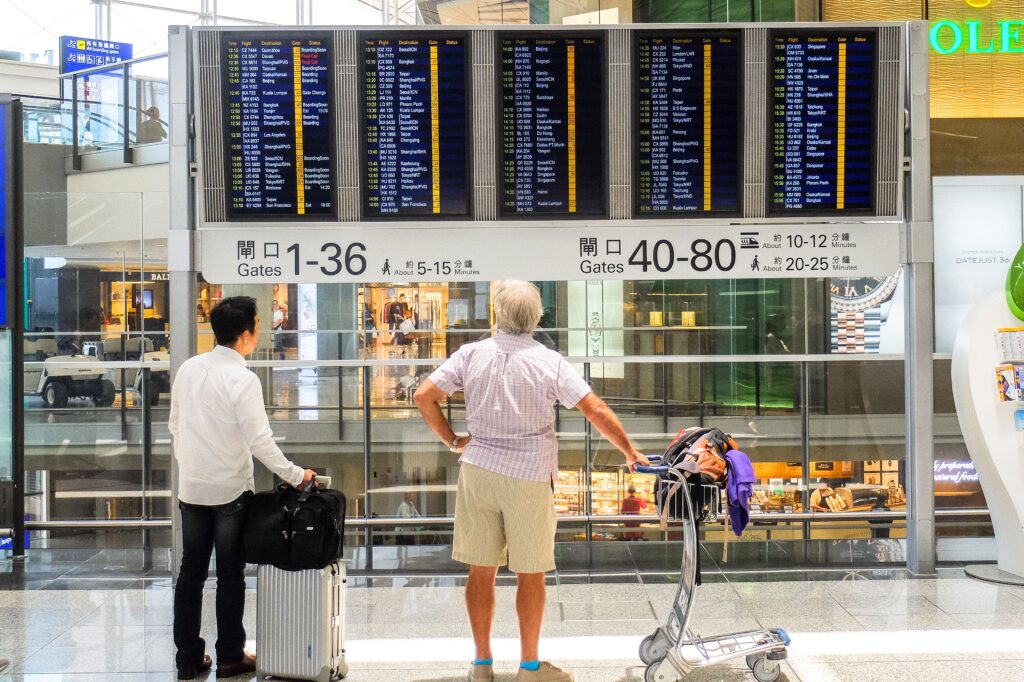
Singapore Airlines offers online, mobile and airport check-in options.
Online and Mobile Check-In
For straightforward bookings, online check-in is easy.
You can typically confirm passenger information, select or verify seats, add necessary travel information, and obtain your boarding pass where supported.
The SingaporeAir mobile app is particularly useful if your itinerary involves multiple flights.
Your booking, flight information and KrisFlyer account can essentially remain in one place.
Airport Check-In
This is another area where Singapore Airlines generally performs well.
At major airports, signage and queues tend to be clearly organized by cabin and passenger eligibility.
Business Class, First Class, Suites and eligible frequent flyers can receive priority services.
At Singapore Changi Airport, the experience becomes particularly smooth because Singapore Airlines operates from its home base with extensive infrastructure.
Singapore Airlines Cabin Classes Reviewed
Singapore Airlines is fundamentally a premium airline, but the experience varies substantially depending on which cabin you choose.
Singapore Airlines Economy Class Review
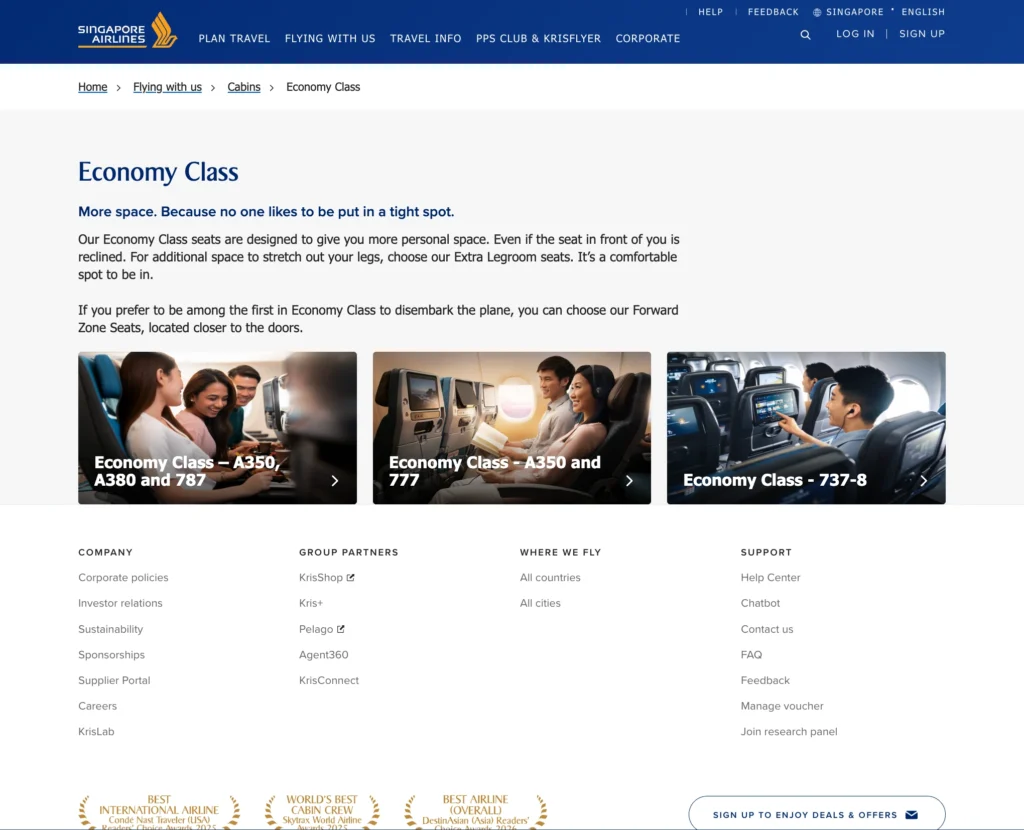
Singapore Airlines Economy is one of the better mainstream Economy products available for long-haul flying.
Do not expect luxury.
You still have an Economy seat with limited personal space, particularly when the passenger in front reclines. But the surrounding service helps differentiate Singapore Airlines.
Economy Seats
Seat design depends on aircraft, but long-haul Economy cabins generally provide adjustable headrests, personal entertainment screens, tray tables and standard storage.
The biggest advantage is not necessarily additional space.
It is the overall package.
When you settle into your seat, the cabin generally feels organized and carefully maintained. Crew members move efficiently through boarding, meals and drink services without making the experience feel unnecessarily chaotic.
Economy Food
Singapore Airlines takes Economy catering more seriously than many competitors.
Meals normally include a main course alongside smaller accompaniments, dessert and drinks depending on the flight.
Quality varies by catering station and route. Not every meal is exceptional, but presentation and flavor are generally above average for Economy.
Economy Verdict: 8.7/10
It is particularly attractive when the fare is only moderately higher than competing airlines.
Singapore Airlines Premium Economy Review
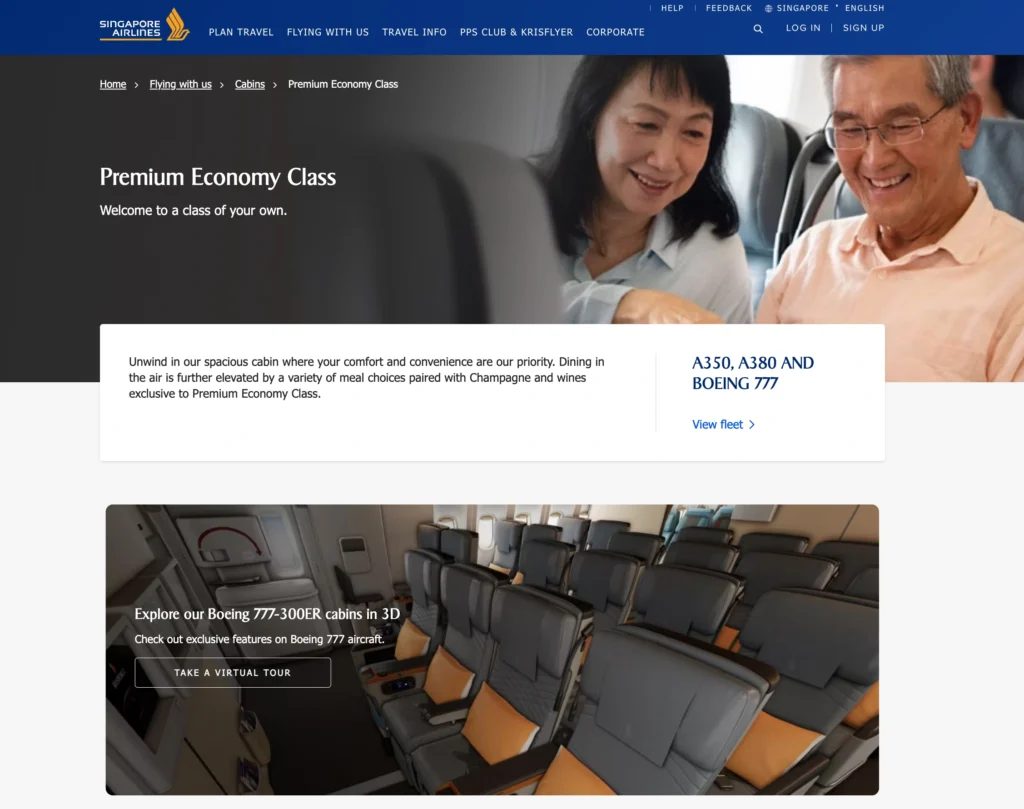
Premium Economy occupies an interesting middle ground.
You are not buying Business Class luxury.
Instead, you are paying for a more comfortable version of Economy.
Seats are wider, personal space is better, recline is improved and the cabin is smaller.
This can make a major difference on a 10-, 12- or 15-hour flight.
Premium Economy also comes with enhanced dining and service elements depending on the route.
Is Premium Economy Worth It?
It depends on the fare difference.
If Economy costs $800 and Premium Economy costs $1,050, the upgrade could represent excellent value.
If Premium Economy costs close to Business Class during a promotion, Business may be the smarter purchase.
Premium Economy Verdict: 8.8/10
Singapore Airlines Business Class Review
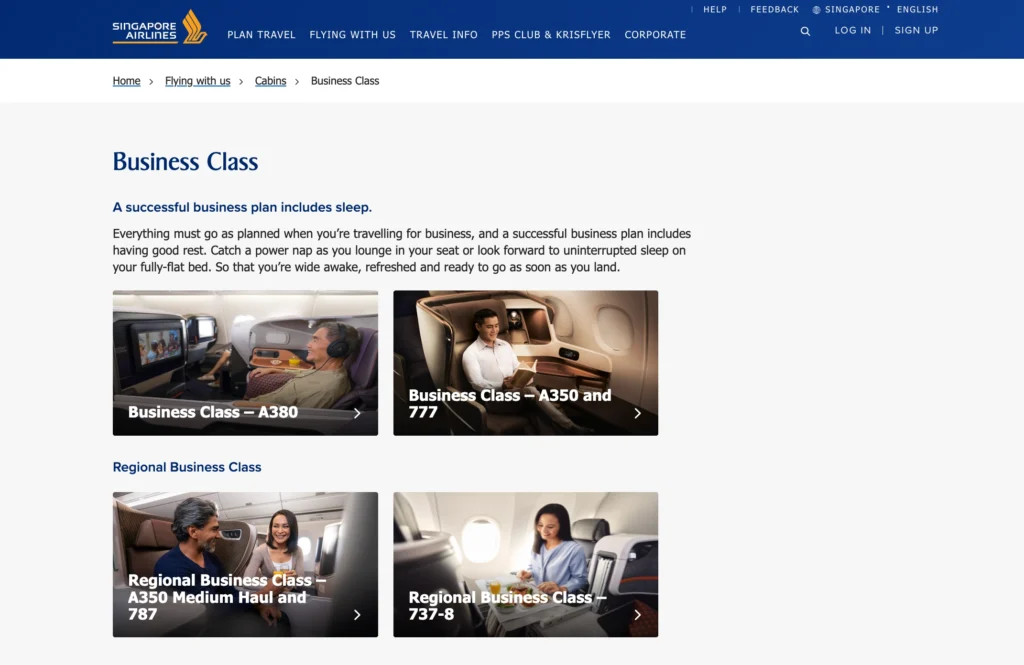
This is where Singapore Airlines’ reputation becomes much easier to understand.
Singapore Airlines Business Class is designed around privacy, space, dining and sleep rather than simply providing a larger Economy seat.
Business Class Seats
Long-haul Business Class seats are typically wide and convert into fully flat sleeping surfaces.
Seat design varies between aircraft.
Some passengers love Singapore Airlines’ particularly wide Business Class seats, while others find certain seat designs less intuitive for lounging.
When you sit down, however, the difference from Economy is immediate.
There is considerably more personal space, better storage, larger entertainment screens, premium bedding on appropriate flights and much more individual attention from the cabin crew.
Business Class Dining
Dining is one of Singapore Airlines’ biggest strengths.
Eligible premium passengers on selected flights can use the airline’s Book the Cook service to pre-select meals from a broader menu before departure.
This provides considerably more choice than simply selecting between two meals onboard.
Presentation is also closer to restaurant-style dining than conventional airline food.
Business Class Service
This remains the airline’s strongest area.
Cabin crew are generally attentive without constantly interrupting passengers.
Requests are handled politely, meal tables are cleared efficiently, and experienced crew members are particularly good at reading whether passengers want conversation or simply want to sleep.
Business Class Verdict: 9.4/10
Singapore Airlines First Class and Suites
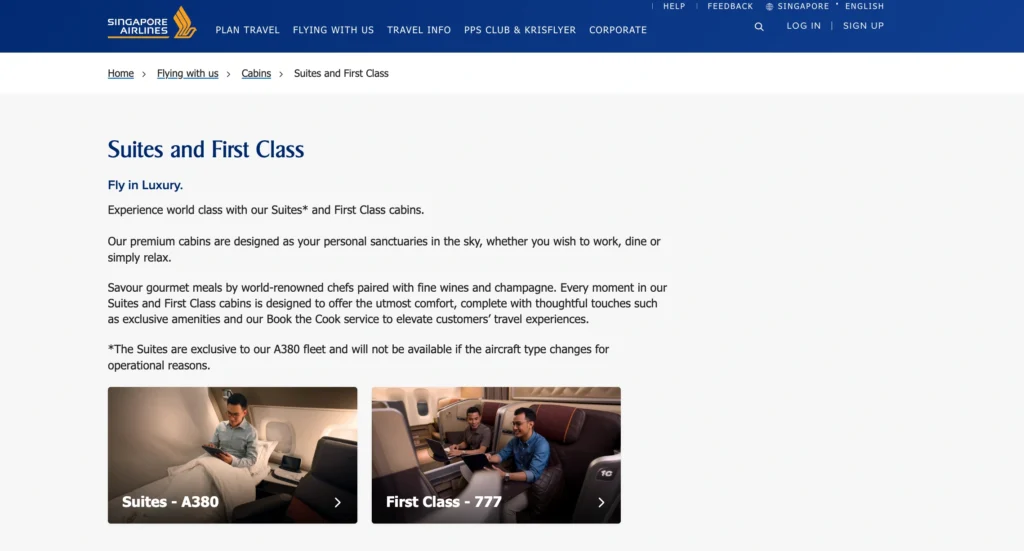
Although not requested by every traveler researching Singapore Airlines reviews, First Class deserves mentioning.
The airline’s A380 Suites represent its highest-end experience.
Instead of simply receiving a wide seat, Suites passengers receive an enclosed private space with premium bedding, dining and personalized service.
Availability is limited and fares can be extremely high.
For most travelers, Business Class represents a much more realistic balance between luxury and cost.
KrisWorld In-Flight Entertainment
Singapore Airlines’ entertainment platform, KrisWorld, is one of the better airline entertainment systems.
It offers movies, television programs, music and other content across a broad range of categories.
The exact screen size and hardware depend on your aircraft and cabin.
Long-haul flights generally provide enough entertainment that even frequent travelers should find something useful.
One practical advantage is the selection of international and Asian content.
Passengers are not limited primarily to Hollywood movies.
This matters on flights lasting 12 to 18 hours.
Wi-Fi and Connectivity
Connectivity has become increasingly important, particularly for business travelers.
Singapore Airlines offers onboard Wi-Fi across much of its relevant fleet, although availability and performance can vary according to aircraft, route and technical conditions.
KrisFlyer membership can provide useful connectivity benefits on eligible flights.
However, passenger discussions in 2026 show that Wi-Fi performance remains one area where experiences vary considerably.
Some travelers report satisfactory connectivity, while others believe the airline should improve speeds and consistency, particularly given its premium fares.
Singapore Airlines Food and Meal Quality
Food is one reason many passengers remain loyal to Singapore Airlines.
The airline has traditionally invested heavily in catering and menu development.
Economy Meals
Economy catering is above average, particularly on long-haul flights.
Portions are still airline-sized, and individual dishes vary, but Singapore Airlines generally provides a complete meal rather than treating food as an afterthought.
Premium Economy Meals
Premium Economy provides a noticeable improvement in meal choice and presentation.
This helps justify the fare premium on longer flights.
Business Class Meals
Business Class is where the airline’s catering program really works.
Pre-order options such as Book the Cook allow passengers to plan their meal before flying.
Combined with proper table settings, beverages and multiple courses, the meal becomes part of the premium experience rather than simply something eaten during the flight.
Food Rating: 9/10
Singapore Airlines Staff and Hospitality
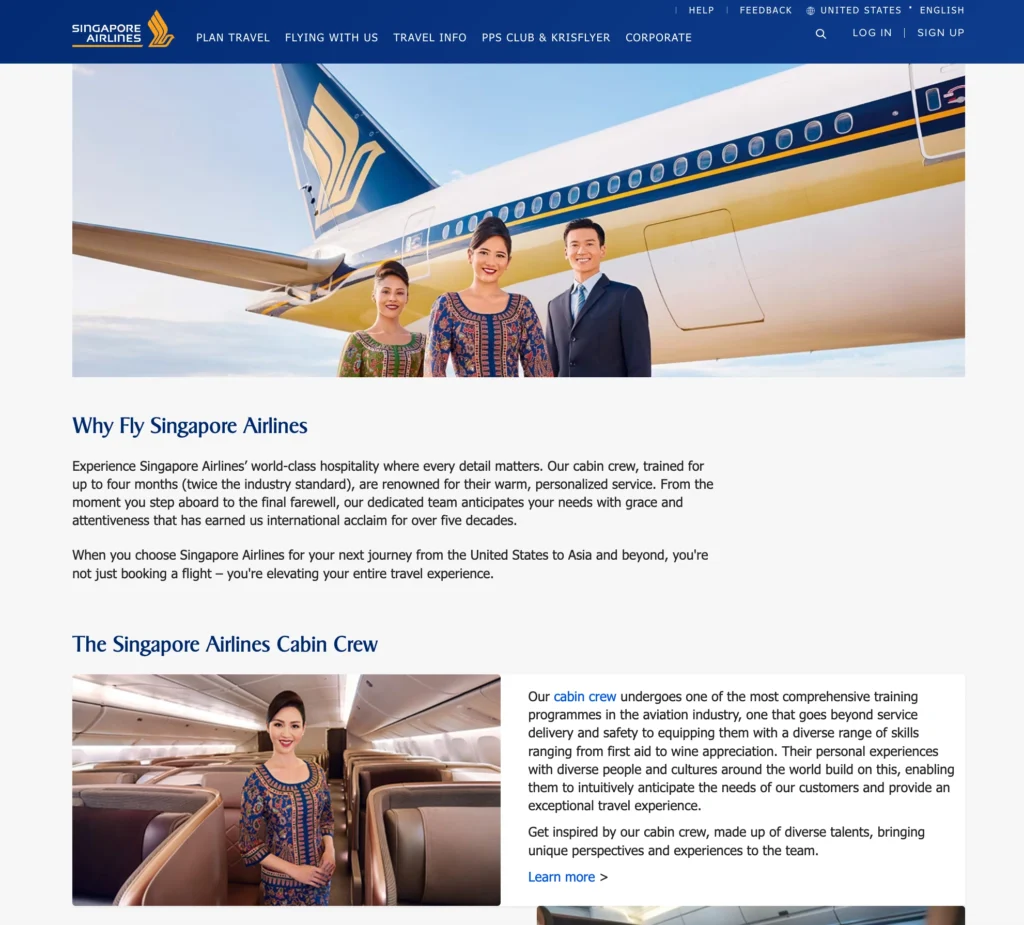
If Singapore Airlines has one defining feature, it is its cabin crew.
The airline has spent decades developing highly standardized service procedures.
That standardization could easily feel robotic, yet good crews make it feel natural.
When you step into the cabin, crew members generally greet passengers individually, assist where needed and maintain a calm environment.
Premium cabins take personalization further.
This does not mean every interaction is perfect.
Recent passenger reviews include occasional complaints about inconsistent crew interactions. However, service remains one of Singapore Airlines’ clearest competitive advantages.
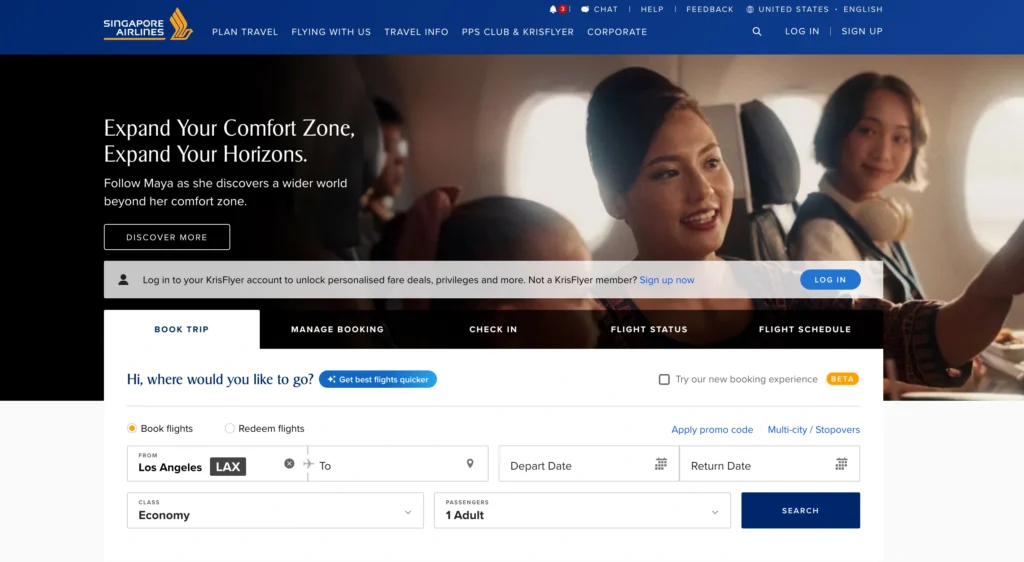
Website, Mobile App and Booking Experience
Singapore Airlines’ digital booking system is reasonably straightforward.
Users can search by origin, destination, travel dates and cabin before comparing available fare categories.
Desktop Website
The website works particularly well when comparing more complicated itineraries.
Fare conditions should be reviewed carefully before payment because the cheapest fare may have restrictions covering changes, refunds, seat selection or mileage earning.
SingaporeAir Mobile App
The app is more convenient once you have booked.
It can be used for booking management, check-in, boarding information and KrisFlyer-related functions.
For complicated fare comparisons, desktop remains easier.
For managing an existing journey, mobile is generally more practical.
Hidden Fees
Singapore Airlines is not structured like a typical ultra-low-cost airline.
You are therefore less likely to encounter a long sequence of compulsory extras simply to create a normal full-service experience.
However, this does not mean every service is free.
Seat-selection charges, change fees, cancellation restrictions and other conditions can depend on the fare purchased.
Always compare the final fare, not simply the first price displayed.
KrisFlyer Loyalty Program
Singapore Airlines operates the KrisFlyer frequent-flyer program.
Members can earn miles through eligible Singapore Airlines flights, partner airlines and various non-airline partners.
KrisFlyer miles can then be used toward eligible award flights and upgrades.
The program becomes particularly valuable for travelers who fly Singapore Airlines or its partners regularly.
Casual travelers should not choose an expensive Singapore Airlines ticket purely to collect miles. Compare the additional fare against the realistic value of the miles you will earn.
Singapore Airlines Pricing and Value for Money
Singapore Airlines is a premium carrier.
That means the cheapest ticket should not automatically be expected.
The real question is how large the premium is.
Suppose Singapore Airlines costs $850 while a comparable full-service competitor costs $780.
Paying $70 more may be easy to justify for better scheduling, Changi connectivity, service and onboard quality.
If Singapore Airlines costs $1,200 while another respected full-service airline charges $750, the decision becomes much harder.
Singapore Airlines vs Vietnam Airlines vs Emirates
| Category | Singapore Airlines | Vietnam Airlines | Emirates |
|---|---|---|---|
| Airline Type | Premium full-service | Full-service flag carrier | Premium full-service |
| Economy Experience | Excellent | Good | Excellent |
| Premium Economy | Excellent | Very good | Route dependent |
| Business Class | Excellent | Very good | Excellent |
| Cabin Crew | Excellent | Very good | Excellent |
| Entertainment | Excellent | Good | Excellent |
| Food | Excellent | Good to very good | Excellent |
| Main Hub | Singapore | Hanoi/Ho Chi Minh City | Dubai |
| Best For | Asia-Pacific connections and premium service | Vietnam and competitive Asian fares | Europe-Asia/Middle East connections |
| Typical Pricing | Premium | Moderate to premium | Premium |
| Overall Value | Excellent when fare difference is reasonable | Strong | Excellent |
Vietnam Airlines can often appeal to travelers prioritizing price and Vietnam connectivity.
Emirates provides particularly strong competition on routes connecting Asia with Europe and the Middle East.
Singapore Airlines remains the strongest choice when schedules, service quality and connecting through Changi matter most.
Singapore Airlines Pros and Cons
Pros
- Excellent cabin crew: Service remains one of the airline’s greatest strengths.
- Strong long-haul experience: Particularly impressive in Premium Economy and Business Class.
- High-quality entertainment: KrisWorld provides extensive international content.
- Good food: Catering is generally above industry averages.
- Excellent Business Class: Spacious seats, flat beds and strong dining.
- Changi Airport connections: Singapore is one of the easiest major international hubs to navigate.
- Modern fleet: A350s, 787s and A380s provide comfortable long-haul environments.
- Strong safety reputation: Singapore Airlines remains highly rated for operational safety.
- KrisFlyer: Useful for frequent Singapore Airlines and partner-airline travelers.
Cons
- Premium fares: Singapore Airlines can be significantly more expensive than alternatives.
- Aircraft variation: Seat design differs between aircraft.
- Customer support complaints: Some travelers report frustration when problems require post-flight support.
- Baggage complaints: Lost or delayed baggage appears periodically in passenger reviews.
- Wi-Fi inconsistency: Connectivity quality can vary.
- Strict cheaper fares: Low fare categories can have more restrictive change and refund conditions.
Singapore Airlines Safety and Reliability
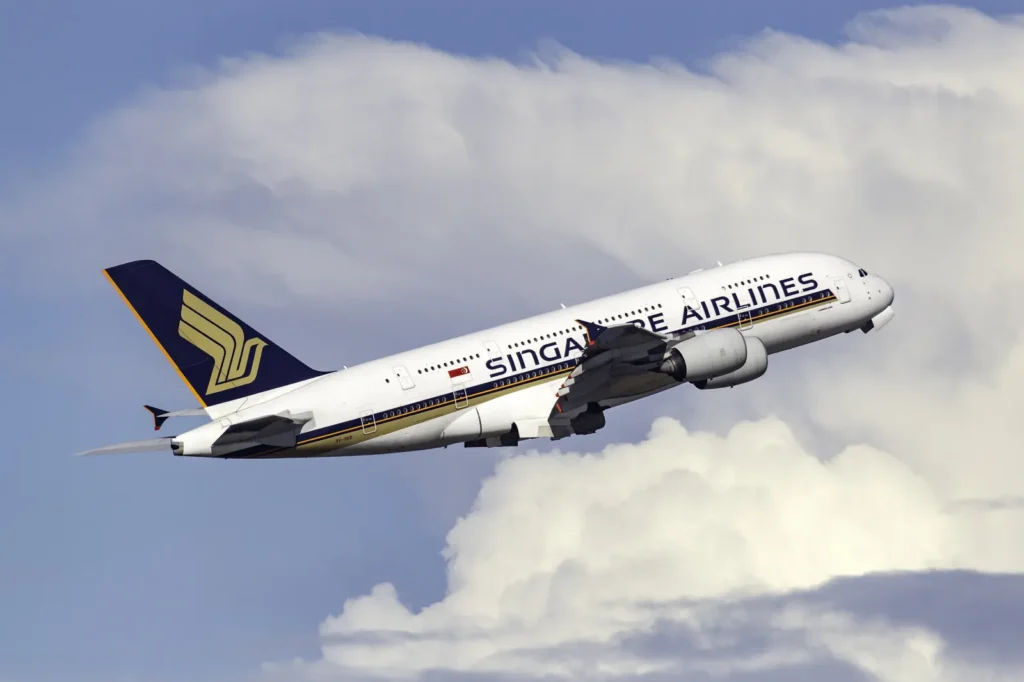
Singapore Airlines maintains a strong safety reputation.
AirlineRatings currently gives Singapore Airlines a 7/7 safety rating, and its 2026 ranking placed Singapore Airlines seventh among its Top 25 full-service airlines.
Safety evaluations consider multiple factors rather than simply whether an airline has experienced an incident. These can include operational history, international audits, pilot training, fleet characteristics and incident rates.
For passengers, the practical takeaway is straightforward: Singapore Airlines remains among the world’s highly regarded full-service carriers for safety.
Cancellation and Refund Policy
Your rights depend on the fare purchased and circumstances surrounding the cancellation.
Singapore Airlines states that passengers who purchased refundable fares directly from the airline can generally cancel eligible bookings online.
For non-refundable fares, only refundable taxes may be returned.
Cancellation or refund fees can also apply depending on fare conditions.
Tickets purchased through travel agents normally need to be handled through the original agent.
For eligible credit or debit card refunds, Singapore Airlines states that its processing normally takes up to approximately two weeks, although banks can require additional time before the money appears.
This is another reason to read fare conditions carefully before buying the cheapest ticket.
Singapore Airlines Customer Reviews: What Real Travelers Say
Online reviews produce a more complicated picture than Singapore Airlines’ awards might suggest.
TripAdvisor Reviews
Passenger feedback on travel-review platforms commonly praises the cabin crew, clean aircraft, comfortable premium cabins, meals and organized boarding.
Criticism tends to appear when passengers experience baggage problems, delays, schedule changes or customer-service disputes.
This creates an important distinction.
The onboard product can receive excellent feedback while the problem-resolution experience receives much more mixed reactions.
Trustpilot Reviews
Trustpilot feedback is considerably more negative.
At the time of this review, the main Singapore Airlines Trustpilot listing shows a score around 2.1/5, based on more than 1,200 reviews.
Common complaints include customer support, delayed or lost baggage, pricing, seating and unresolved post-flight problems.
Some reviewers still praise polite cabin crew and onboard service.
Trustpilot should not be interpreted as a representative survey of every passenger, since customers with serious problems can be more motivated to leave reviews. Nevertheless, repeated complaint themes should not simply be ignored.
Reddit Reviews
Reddit discussions are particularly interesting because opinions are mixed even among frequent Singapore Airlines passengers.
Some 2026 discussions praise the crew and overall service while questioning whether rising fares still provide sufficient value.
Other passengers complain about aging cabin elements, inconsistent Wi-Fi, catering changes or baggage handling.
At the same time, positive reports continue. One August 2026 passenger praised the airline for providing helpful assistance while traveling with an injury.
The overall pattern is clear: Singapore Airlines still has a loyal passenger base, but travelers increasingly compare its high fares against Emirates, Qatar Airways, Cathay Pacific and other premium carriers rather than assuming Singapore Airlines is automatically worth paying more for.
How to Get the Best Singapore Airlines Deals
Step 1: Search Early
Start checking fares several months before major international trips.
Premium airlines can become expensive close to departure, particularly during holidays.
Step 2: Compare Nearby Dates
Moving your departure by even one or two days can change the fare substantially.
Step 3: Compare the Total Journey
Do not focus only on price.
Compare departure times, connection length, airport quality, baggage allowance and total journey duration.
Step 4: Check the Aircraft
Before choosing Business or Premium Economy, look at the scheduled aircraft and seat configuration.
The aircraft can materially affect the experience.
Step 5: Join KrisFlyer
Joining KrisFlyer is generally worthwhile if you expect to fly Singapore Airlines more than occasionally.
Step 6: Compare Cash and Miles
Do not automatically redeem miles.
Calculate whether the award provides good value compared with purchasing the same flight in cash.
Step 7: Read Fare Conditions
Check refundability, change fees, baggage rules and seat-selection conditions before paying.
A slightly more expensive fare can sometimes save considerable money if plans change.
Final Verdict: Is Singapore Airlines Worth It in 2026?
Yes, Singapore Airlines remains one of the world’s strongest premium airlines in 2026.
But it should no longer be selected purely because of its reputation.
The smartest approach is to compare the actual flight.
Singapore Airlines performs particularly well in cabin service, Business Class, entertainment, food, long-haul comfort and connections through Changi Airport.
Its weakness is price.
When Singapore Airlines is only 5% to 15% more expensive than a comparable full-service carrier, paying extra can make considerable sense.
When the premium reaches 30%, 40% or more, alternatives deserve serious consideration.
Economy passengers receive one of the better full-service experiences available, while Premium Economy is particularly attractive for travelers who want additional comfort without paying Business Class prices.
Business Class remains the airline’s standout product.
The biggest caution comes after something goes wrong. Online reviews show much more criticism concerning customer support, baggage and problem resolution than the onboard experience itself.
Final Rating: 9.0/10
Singapore Airlines is best for travelers who value service, reliability, comfortable long-haul flying and smooth connections enough to pay somewhat more for them.
Singapore Airlines Reviews FAQs
1. Is Singapore Airlines a good airline?
Yes. Singapore Airlines is widely regarded as a premium full-service airline and performs particularly well for cabin service, long-haul comfort, food, entertainment and premium cabins.
2. Is Singapore Airlines safe in 2026?
Yes. Singapore Airlines currently holds a 7/7 safety rating from AirlineRatings and was ranked seventh among its safest full-service airlines for 2026.
3. Is Singapore Airlines Economy Class worth it?
Singapore Airlines Economy is worth considering when the fare difference against other reputable full-service airlines is relatively small. Its biggest advantages are service, meals, entertainment and the overall cabin experience.
4. Is Singapore Airlines Business Class worth the money?
For long-haul flights, Business Class is one of Singapore Airlines’ strongest products. Fully flat sleeping arrangements, premium dining, increased privacy and attentive service can make it particularly worthwhile on overnight journeys.
5. Does Singapore Airlines provide free food?
Meals are generally included on eligible full-service Singapore Airlines flights, although the exact service depends on flight duration, route and cabin.
6. Is Singapore Airlines better than Emirates?
Neither airline is universally better. Singapore Airlines is particularly strong for Asia-Pacific travel and connections through Singapore, while Emirates offers an enormous network through Dubai and an excellent entertainment-focused long-haul product. Price, aircraft and schedule should determine the better option for a specific trip.
7. Why is Singapore Airlines so expensive?
Singapore Airlines positions itself as a premium full-service carrier. Its pricing reflects investments in cabin service, catering, premium seating, entertainment, airport operations and international connectivity.
However, the premium is not always worth paying, so passengers should compare fares with Emirates, Qatar Airways, Cathay Pacific, ANA, Vietnam Airlines and other relevant carriers before booking.