
Meta Description: Is Nashville safe? Explore crime rates, tourist safety, neighborhoods to avoid, nightlife risks, and practical tips for visiting Nashville safely.
Nashville has become one of the most popular city-break destinations in the United States. Between Broadway’s neon-lit honky-tonks, live country music, hot chicken restaurants, sports events, and weekend celebrations, the city attracts millions of visitors each year.
But if you’re planning your first trip, you may be wondering: Is Nashville safe?
The short answer is yes, Nashville can be a safe city for tourists when you use normal big-city precautions, particularly in popular visitor areas. That doesn’t mean crime doesn’t happen. Nashville has neighborhoods with higher rates of violent and property crime, and the busy nightlife districts bring their own risks, especially late at night.
The biggest mistake is treating Nashville either as extremely dangerous or completely risk-free. The reality sits somewhere in between.
This guide looks at Nashville’s crime situation, tourist safety, nightlife, neighborhoods, solo travel, and the practical precautions that can make a real difference.
Table of Contents: A table of contents should be placed here with jump links to each H2 section.
Nashville Crime Rate 2026 — The Full Numbers

Crime statistics can make Nashville look intimidating, particularly when they’re presented without context.
As a major metropolitan area with a large resident population and a huge number of annual visitors, Nashville naturally records more incidents than smaller Tennessee towns. Crime also isn’t spread evenly throughout the city.
Some neighborhoods experience considerably more violent crime than others, while many residential and tourist-oriented areas see relatively little serious crime.
Here’s a practical way to understand the major crime categories visitors should know about:
| Crime Type | Concern Level for Tourists | Where Risk Is More Common |
|---|---|---|
| Violent crime | Moderate | Certain higher-crime neighborhoods and late-night situations |
| Theft | Moderate | Crowded entertainment and tourist areas |
| Vehicle break-ins | Moderate to High | Parking lots, garages, and cars with visible valuables |
| Pickpocketing | Low to Moderate | Busy nightlife and entertainment areas |
| Burglary | Moderate | Primarily a concern for residents |
| Tourist scams | Low to Moderate | Busy visitor districts |
| Alcohol-related incidents | Moderate | Broadway and nightlife districts late at night |
For tourists, the citywide crime rate isn’t necessarily the best measurement of personal risk.
Where you stay, where you walk, what time you’re out, and how you travel around the city can matter much more.
A visitor staying at a reputable downtown hotel, using rideshare transportation at night, and spending time around established attractions will have a very different experience from someone wandering through unfamiliar areas alone at 2 a.m.
Another issue worth watching is property crime involving vehicles. Don’t leave luggage, laptops, shopping bags, cameras, or other valuables visible inside your rental car, even if you’re only leaving it for a short time.
Is Nashville Safe For Tourists to Visit?
For most travelers, Nashville is reasonably safe to visit.
Popular areas such as Downtown Nashville, Broadway, The Gulch, Music Row, and major attractions regularly receive large numbers of tourists. You’ll generally find hotels, restaurants, entertainment venues, police presence, rideshare traffic, and plenty of other visitors around.
However, Nashville’s popularity creates some predictable tourist risks.
The Lower Broadway entertainment district can become extremely crowded, particularly on Friday and Saturday nights. Add alcohol, bachelor and bachelorette parties, packed bars, and busy streets, and relatively minor situations can escalate quickly.
The most common concerns for visitors include:
- Losing a phone or wallet in a crowded bar
- Leaving valuables unattended
- Vehicle break-ins
- Walking through unfamiliar streets late at night
- Becoming separated from friends after drinking
- Accepting rides from unofficial drivers
- Arguments or fights around nightlife areas
- Crossing busy roads while distracted
During daytime sightseeing, I wouldn’t consider Nashville a destination where travelers need to constantly worry about their surroundings. Basic awareness is normally enough in established visitor areas.
At night, especially after bars begin closing, I’d be more cautious.
Is Nashville Safe at Night?
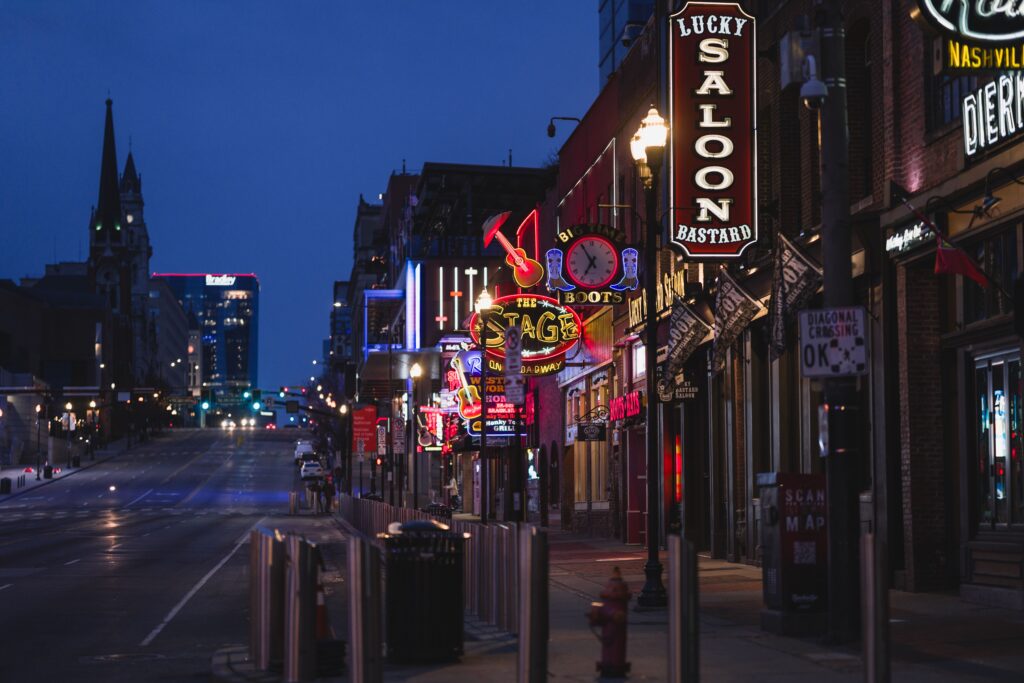
Nashville’s safety changes noticeably depending on where you are and what time you’re there.
Broadway at 8 p.m. can feel completely different from a quiet side street several blocks away at 2 a.m.
Lower Broadway itself stays extremely active. Thousands of people may be moving between honky-tonks, restaurants, rooftop bars, and hotels.
That crowd provides activity and visibility, but it also creates other risks.
Alcohol is probably one of the most underestimated safety factors in Nashville.
If you’re spending a night on Broadway, try to:
- Stay with your group.
- Keep your phone and wallet secure.
- Watch your drink.
- Don’t leave a heavily intoxicated friend alone.
- Use an official taxi or rideshare service to return to your hotel.
- Avoid shortcuts through empty streets or parking lots.
- Don’t engage with aggressive strangers.
If your hotel is only a few blocks away, walking can sometimes make sense when streets are busy. But once you’re leaving the main entertainment area or crowds have thinned out, a short Uber or Lyft ride may be the smarter option.
Also be careful around traffic. Downtown Nashville can be chaotic when pedestrians, rideshare vehicles, taxis, buses, scooters, and cars are all competing for space.
Nashville Neighborhoods: Safe vs. Areas to Avoid
Talking about “safe” and “unsafe” Nashville neighborhoods requires some nuance.
Crime can vary dramatically within the same neighborhood. One street may contain restaurants, renovated apartments, and busy businesses, while a few blocks away the environment can feel completely different.
Instead of assuming an entire part of Nashville is dangerous, consider the specific location of your hotel or vacation rental.
Safest Nashville Neighborhoods
Travelers looking for quieter or generally comfortable areas often consider neighborhoods such as:
Green Hills
Green Hills is an upscale area known for shopping, restaurants, residential streets, and the Mall at Green Hills. It’s away from the intensity of Broadway and can work particularly well for families.
Belle Meade
Belle Meade is one of Nashville’s more affluent residential areas. Travelers shouldn’t choose it if their priority is walking to Broadway, but its residential character makes it attractive for visitors who prefer quieter surroundings.
Hillsboro Village
Located close to Vanderbilt University, Hillsboro Village has restaurants, cafes, shops, and a younger atmosphere. It’s convenient without feeling as hectic as Downtown Nashville.
The Gulch
The Gulch has become one of Nashville’s most recognizable modern districts, with hotels, restaurants, rooftop bars, shops, and luxury apartments.
It’s particularly convenient for visitors because Downtown is close by.
Downtown Nashville
Downtown isn’t necessarily Nashville’s lowest-crime neighborhood, but it can still be one of the most practical locations for tourists.
Why?
There are lots of people, hotels, businesses, attractions, security staff, transportation options, and regular police activity.
The bigger concern is usually late-night nightlife rather than daytime sightseeing.
Nashville’s Highest-Crime Areas to Avoid
This is where online Nashville safety guides can become misleading.
You’ll sometimes find articles labeling entire communities as places tourists should “never visit.” That’s an oversimplification and can unfairly characterize people who live there.
A better approach is to identify situations and micro-areas where visitors have little reason to be, particularly late at night.
Be more cautious around:
- Isolated industrial streets
- Poorly lit parking areas
- Vacant or abandoned properties
- Unfamiliar residential streets late at night
- Areas with little pedestrian activity after dark
- Locations where your hotel or host specifically advises against walking
If you’re booking an Airbnb or vacation rental outside the central tourist districts, look at the exact location rather than simply checking the neighborhood name.
Read recent reviews. Look for comments about walking at night, street lighting, parking, and the surrounding blocks.
Saving a few dollars on accommodation isn’t worth spending your entire vacation uncomfortable with your surroundings.
Is East Nashville Safe?
East Nashville is generally fine for visitors in its established dining, shopping, and entertainment areas, but safety conditions vary by location.
East Nashville has changed considerably over the years and is now known for independent restaurants, coffee shops, bars, music venues, boutiques, and historic homes.
Five Points is one of the better-known visitor destinations.
During the day and busy evenings, popular commercial areas generally attract plenty of locals and visitors.
That doesn’t mean you should wander everywhere without thinking about where you’re going.
East Nashville covers a substantial area, and conditions can change as you move away from the busiest commercial streets. If you’re staying in a vacation rental, check the exact block and recent guest feedback.
At night, using rideshare transportation between your accommodation and nightlife destinations is a sensible choice if you aren’t familiar with the area.
Is North Nashville Safe?
North Nashville deserves a more careful answer because conditions vary considerably across the area.
The district has important cultural and historical significance, including connections with Nashville’s Black history and institutions such as Fisk University.
At the same time, some parts of North Nashville have historically experienced higher levels of crime and economic challenges than several of Nashville’s more affluent neighborhoods.
That doesn’t mean visitors should automatically avoid North Nashville.
It means you should understand exactly where you’re going.
If you’re visiting a particular restaurant, university, cultural attraction, or business during the day, there’s little reason to panic. Plan your route and use the same awareness you’d use in any large American city.
For accommodation, first-time tourists may find Downtown, The Gulch, Midtown, or other established visitor districts more convenient, especially if nightlife and major attractions are the focus of the trip.
Is South Nashville Safe?
South Nashville is another large area that can’t accurately be described with one safety rating.
Some sections are primarily residential. Others contain busy commercial corridors, restaurants, international businesses, and rapidly changing developments.
Crime levels can vary significantly between individual communities.
For travelers, the main question should be:
Why am I going there?
If you’ve found a restaurant, attraction, event, or hotel you want to visit, there’s no reason to automatically exclude it simply because it’s in South Nashville.
But tourists shouldn’t wander through unfamiliar residential or industrial areas late at night simply for the sake of exploring.
One thing I particularly like about South Nashville is its international food scene. Visitors willing to travel outside Downtown can find restaurants representing communities from around the world.
Visit intentionally, know your destination, and arrange reliable transportation back to your hotel.
Is Nashville Safe for Solo Travelers?
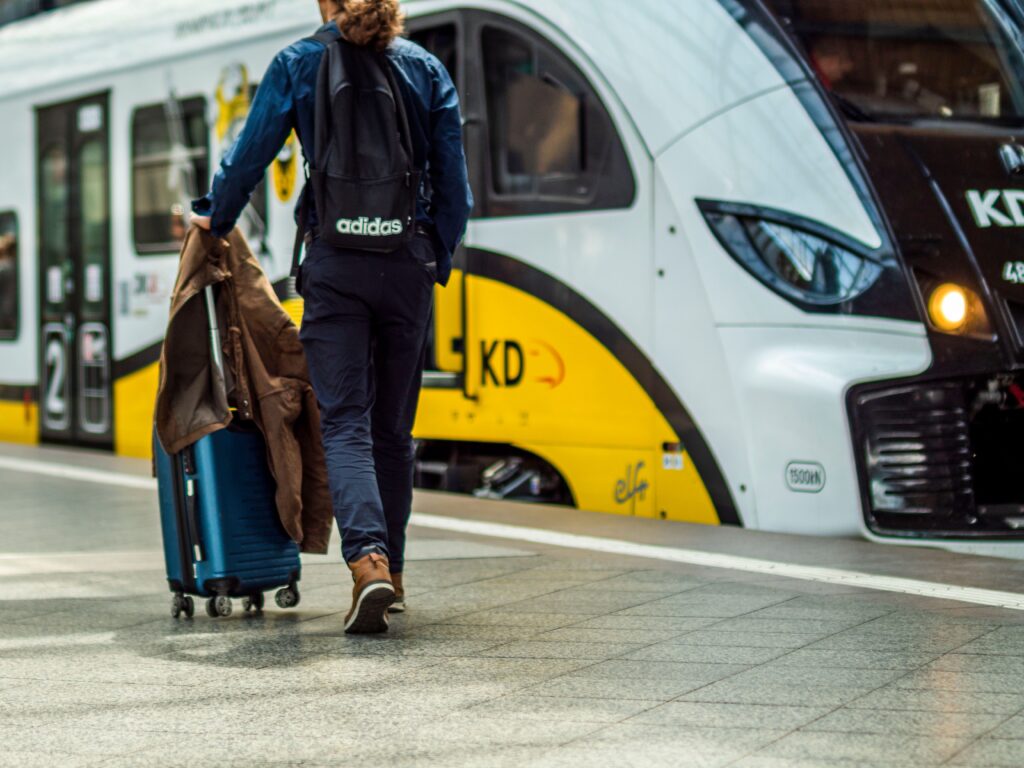
Yes, Nashville can be a good destination for solo travelers, particularly if you stay near the main visitor districts.
Solo travelers actually have some advantages here. There’s so much live music and casual nightlife that you don’t necessarily need a group to enjoy yourself.
You can walk into a honky-tonk, listen to live music, eat at the bar, visit museums, or explore Downtown without feeling particularly out of place.
However, traveling alone means you don’t have someone else watching your back.
I would be especially careful about alcohol.
If you’re alone, getting extremely drunk in an unfamiliar city creates unnecessary risk. Keep track of how much you’re drinking and make sure you can independently return to your accommodation.
Solo travelers should also consider:
- Sharing their itinerary with someone at home
- Keeping their phone charged
- Carrying a portable charger
- Using rideshare services late at night
- Avoiding isolated streets
- Keeping accommodation details private
- Not telling strangers they’re traveling completely alone
- Saving their hotel’s address offline
Female solo travelers may want to take additional precautions around nightlife, particularly regarding drinks and transportation.
Nashville’s social atmosphere makes meeting people easy, which is part of the city’s appeal. You can enjoy that atmosphere without giving strangers unnecessary information about where you’re staying.
Is Nashville Safe for Families?
Yes, Nashville is generally a good destination for families, especially when your itinerary focuses on daytime attractions, museums, parks, restaurants, and family-friendly entertainment.
Parents sometimes associate Nashville almost entirely with Broadway’s bars and bachelor parties. That’s only one side of the city. Once you move away from Lower Broadway’s late-night scene, Nashville has plenty to offer families traveling with young children or teenagers.
Popular family activities include the Nashville Zoo, Adventure Science Center, Centennial Park, Country Music Hall of Fame, and daytime visits to the Grand Ole Opry.
The biggest family safety concerns are fairly ordinary ones: traffic, crowds, hot summer weather, and keeping children close in busy tourist areas.
Broadway can be visited with children during the daytime, when the atmosphere tends to be much easier to manage. Late at night, however, the district becomes much more alcohol-focused and crowded.
Families should also pay attention to where they book accommodation. A cheaper hotel farther from the main visitor districts isn’t automatically a better deal if you need to rely on long drives or don’t feel comfortable with the surrounding area.
For a family trip, I would prioritize location, recent hotel reviews, secure parking, and easy transportation over simply finding the lowest nightly rate.
Is Nashville Safe for LGBTQ+ Visitors?
This question requires a little more context than a simple yes or no.
LGBTQ+ travelers visit Nashville regularly, and the city has LGBTQ+-friendly businesses, nightlife, events, and communities. At the same time, visitors may want to remain aware of the broader political and social environment in Tennessee.
Nashville itself tends to be more diverse and visitor-oriented than many smaller communities across the state.
Areas around Downtown, Midtown, East Nashville, The Gulch, and other entertainment districts receive visitors from around the country and internationally.
For travelers concerned about harassment or hate crimes, the Metropolitan Nashville Police Department operates a Safe Place Program. Participating businesses and schools display a Safe Place decal and can assist hate-crime victims by contacting police and providing somewhere to wait until officers arrive. MNPD also lists an LGBTQ liaison as part of the program.
From a practical travel perspective, LGBTQ+ visitors should follow the same basic precautions recommended for other tourists:
- Research accommodation before booking.
- Stick to established nightlife and entertainment areas.
- Use reliable transportation late at night.
- Stay aware of your surroundings.
- Avoid escalating confrontations.
- Contact police if you experience threats, harassment, or violence.
For most LGBTQ+ travelers visiting Nashville’s main tourist areas, safety concerns shouldn’t automatically discourage a trip.
Is Nashville Safe for Black Visitors and People of Color?

Nashville welcomes a large and diverse visitor population, and Black travelers and other people of color regularly visit the city for tourism, business, music, sporting events, conferences, and family trips.
Nashville also has an important Black cultural history that visitors sometimes miss when they focus exclusively on country music.
Fisk University, Jefferson Street, the National Museum of African American Music, and other sites highlight the role Black communities have played in Nashville’s history, music, education, business, and civil rights movement.
The city isn’t free from racial or social tensions, of course, and individual experiences can vary. But there is no reason for Black travelers or travelers of color to automatically treat Nashville as a destination that should be avoided.
The Metropolitan Nashville Police Department states that immigration status is irrelevant when officers are carrying out ordinary law-enforcement duties or providing services to crime victims, which may also be reassuring for some international visitors.
Regardless of background, I would focus more heavily on specific neighborhoods, transportation choices, and time of day than on Nashville as a whole.
Nashville Safety Tips — 8 Practical Steps
Most Nashville trips happen without serious problems. A few simple habits can reduce your risk even further.
1. Don’t Leave Anything Visible Inside Your Car
Vehicle break-ins are one of the easiest travel problems to prevent.
Don’t leave backpacks, shopping bags, cameras, laptops, wallets, or luggage visible inside a parked vehicle.
Even an empty-looking backpack may be enough to attract unwanted attention.
MNPD’s own tourist guidance advises travelers to lock vehicles, secure valuables, and take their keys with them.
If you’re arriving before hotel check-in, ask the hotel to store your luggage rather than leaving suitcases inside your rental car.
2. Be More Careful After Midnight
Nashville’s nightlife is part of the fun, but risk naturally increases when crowds become heavily intoxicated.
You don’t need to leave Broadway as soon as the sun goes down. Just pay closer attention later in the evening.
Avoid unnecessary confrontations, stay with your friends, and know how you’re getting back to your hotel before you start drinking.
3. Use Rideshare Services When You’re Unsure About Walking
One common mistake visitors make is assuming that because two places look close on a map, the entire walk between them will be comfortable late at night.
If you’re unfamiliar with the area, spending a few dollars on transportation can be worthwhile.
Request your ride through the official app and confirm the vehicle and driver details before getting inside.
4. Protect Your Phone and Wallet on Broadway
Lower Broadway gets packed.
When you’re moving through crowded bars, sidewalks, concerts, and entertainment venues, don’t leave your phone sticking out of a back pocket.
Keep wallets, phones, cards, and identification somewhere secure.
I also recommend carrying only the cards you actually need. MNPD’s tourist safety guidance similarly advises visitors against carrying large amounts of cash or every credit card they own.
5. Watch Your Alcohol
For many visitors, this is probably the most useful Nashville safety tip.
Broadway makes it very easy to move from one bar to another while listening to live music. Before you realize it, several drinks can turn into an entire night of drinking.
Know your limits.
Never leave a drink unattended, and don’t accept an open drink from someone you don’t trust.
If you’re traveling with friends, make sure nobody gets separated from the group while heavily intoxicated.
6. Check Your Hotel’s Exact Location
Don’t judge accommodation based only on the words “Nashville” or “Downtown” in the listing.
Open the map.
Look at the actual street, recent guest reviews, nearby businesses, parking arrangements, and transportation options.
This becomes even more important with vacation rentals located outside Nashville’s central visitor areas.
If several recent guests mention feeling uncomfortable walking around after dark, take those comments seriously.
7. Keep Your Phone Charged
Your phone is your map, hotel confirmation, rideshare connection, boarding pass, payment method, and emergency communication device.
A portable power bank can be extremely useful, especially if you’re spending an entire day sightseeing before heading out at night.
Save your hotel’s address separately as well.
If your phone dies, you should still know where you’re staying.
8. Trust Your Instincts
You don’t need crime statistics to tell you when something feels wrong.
If a street suddenly becomes deserted, someone is behaving aggressively, or a situation makes you uncomfortable, change direction.
MNPD’s published travel guidance specifically recommends being aware of your surroundings and avoiding situations that make you uncomfortable.
That simple habit works in Nashville just as well as it does in New York, Chicago, Los Angeles, or any other major American city.
Nashville Metropolitan Police Department — Emergency Contacts
Save the basic Nashville emergency information before your trip rather than searching for it during a stressful situation.
| Situation | Contact |
|---|---|
| Life-threatening emergency | 911 |
| Crime in progress | 911 |
| Police, fire, or urgent medical emergency | 911 |
| Non-emergency city assistance | 311 |
| MNPD non-emergency police assistance | 615-862-8600 |
| Metro government assistance | 615-862-5000 |
Nashville’s Department of Emergency Communications says 911 should be used for life-threatening emergencies or crimes in progress, including situations requiring police, fire, medical, or mental-health emergency assistance. Non-emergency situations can be handled through 311 or hubNashville.
MNPD separately lists 615-862-8600 for non-emergency police assistance.
If your phone, wallet, or other property disappears, first determine whether you simply lost it or believe it was stolen. If you believe a theft occurred, report it rather than trying to confront a suspected thief yourself.
International visitors should also keep a digital copy of their passport and travel documents stored securely online. Your physical passport is usually better left in a hotel safe when you don’t need to carry it.
Final Word: Is Nashville Safe to Live In?
So, is Nashville safe?
For tourists, my answer is generally yes, with normal big-city precautions.
For people considering moving to Nashville, the answer depends much more heavily on the neighborhood.
Nashville isn’t one uniform environment. Downtown, Belle Meade, Green Hills, East Nashville, North Nashville, South Nashville, and suburban communities can offer very different experiences.
Someone living on a quiet residential street may have completely different safety concerns from someone living beside a busy nightlife district.
If you’re thinking about moving here, don’t rely exclusively on citywide crime rankings.
Research the exact neighborhood and, ideally, the surrounding few blocks. MNPD provides precinct information and access to crime-related resources that can help residents research particular areas rather than relying only on general internet rankings.
For visitors, Nashville remains a city I’d feel comfortable recommending.
Enjoy the live music. Try the hot chicken. Walk around Downtown. Visit neighborhoods beyond Broadway. Spend an evening listening to bands you have never heard of.
Just remember that Music City is still a major American city.
Keep valuables out of your car, don’t wander through unfamiliar areas alone late at night, watch your alcohol, use reliable transportation, and stay aware of what’s happening around you.
Take those basic precautions and Nashville’s safety situation shouldn’t overshadow what makes the city worth visiting in the first place.