
I have used enough hotel booking websites over the years to know that the cheapest-looking deal is not always the cheapest deal you actually pay for.
That is one reason Agoda has always interested me. I can search the same hotel on several booking platforms, and Agoda will often appear near the top with an aggressive price. Sometimes the difference is small. Other times, particularly when booking hotels in Southeast Asia, the Agoda rate can be noticeably lower.
But an Agoda hotel booking review should look beyond the number shown in the search results.
The real questions are: Is Agoda reliable? Are its discounts genuine? What happens when you need to cancel? Are taxes included in the advertised rate? And can you actually reach customer support when a booking goes wrong?
Those questions matter because Agoda is no longer simply an Asian hotel-booking website. The platform now offers hotels, holiday homes, flights, activities, and other travel products. Agoda says its network includes more than 6 million hotels and holiday properties, with its website and app available in 39 languages.
I find Agoda particularly interesting for travel in Thailand, Vietnam, Indonesia, Malaysia, Singapore, Japan, South Korea, and other Asian destinations. Its inventory in this part of the world can be excellent, ranging from large international hotel chains to small guesthouses and apartments.
The platform also uses several layers of discounts. You may encounter AgodaVIP rates, Insider Deals, app-only offers, promotional prices, and other property-specific discounts. That creates genuine opportunities to save money, but it can also make comparing the final price more complicated.
So, is Agoda reliable?
My short answer is yes, Agoda is a legitimate and established booking platform, but I would never book based only on the first price displayed. The final payment amount, cancellation conditions, room type, payment date, and property-specific terms are what really matter.
This Agoda review takes a closer look at all of those areas.
Agoda Platform Overview
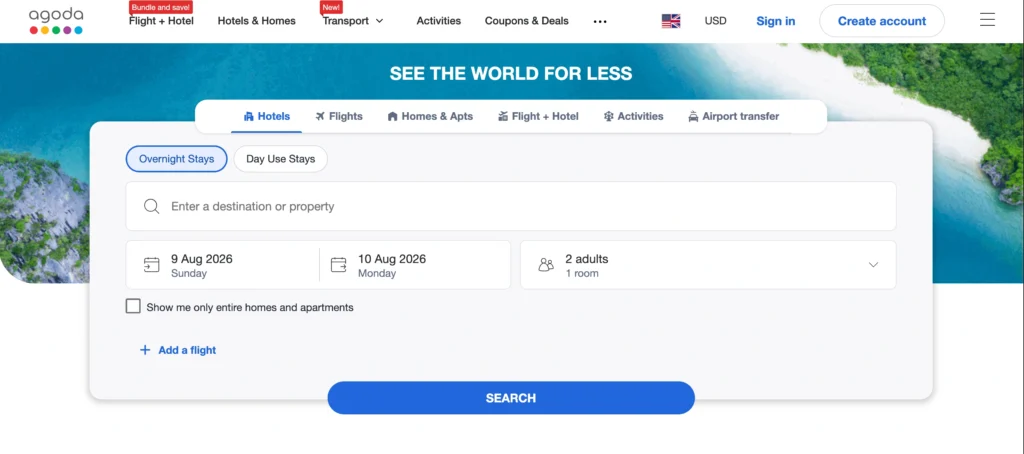
Agoda’s roots go back to the early 2000s, when Robert Rosenstein and Michael Kenny worked together on an online travel business focused heavily on Asian markets.
Agoda.com officially launched in Singapore in 2005, initially offering around 7,000 hotels in Asia and 33,000 worldwide. In 2007, Agoda was acquired by what was then Priceline, now known as Booking Holdings.
That ownership is important.
Agoda is part of Booking Holdings, the same parent group associated with major travel brands including Booking.com, Priceline and KAYAK. Booking Holdings’ corporate history confirms that Priceline acquired Agoda in 2007.
Today, Agoda remains headquartered in Singapore and has retained a particularly strong presence in Asia.
The platform’s main services include:
- Hotel and resort reservations
- Apartments, villas and holiday homes
- Domestic and international flights
- Airport transfers
- Travel activities and attractions
- AgodaVIP member pricing
- Mobile-app deals
- Flexible and pay-later accommodation options on eligible bookings
One of Agoda’s biggest strengths is simply the size and variety of its accommodation inventory.
I have found it particularly useful when searching outside major tourist districts. On some competing platforms, the results can quickly become repetitive. Agoda often surfaces smaller local hotels, apartments, guesthouses and budget properties alongside major chains.
That makes it useful not only for luxury travelers, but also for backpackers, digital nomads, families and travelers trying to keep accommodation costs under control.
The User Experience
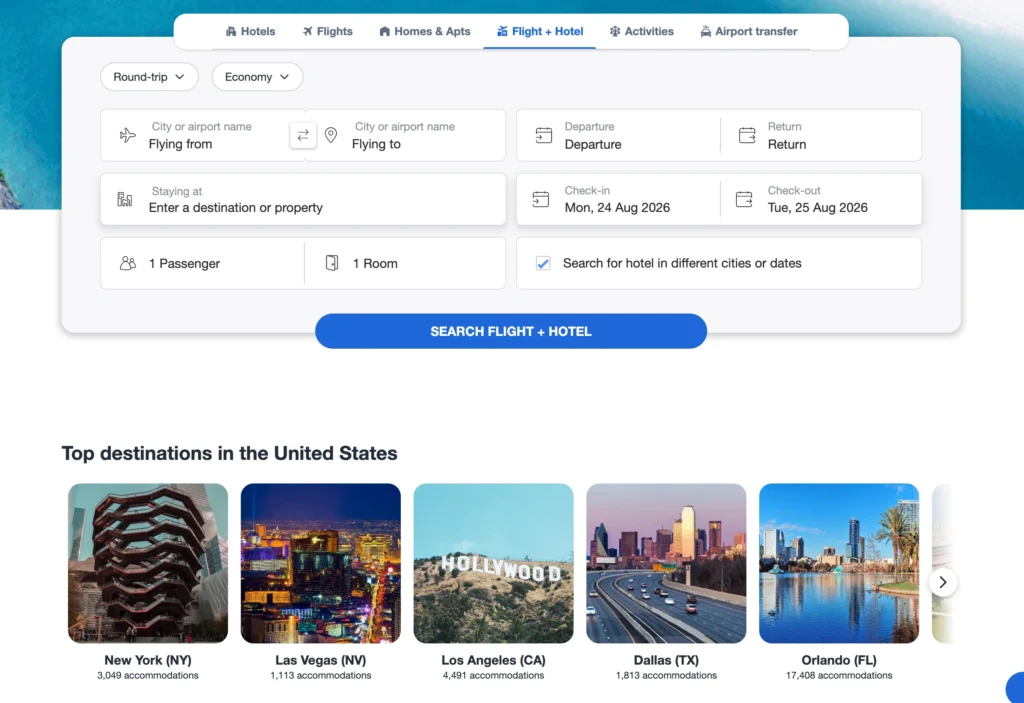
Agoda is clearly designed around one goal: getting users from a search to a bookable deal quickly.
The downside is that the interface can sometimes feel busy. Discounts, crossed-out prices, limited-availability messages, VIP badges and promotional labels may all appear on the same page.
Once you understand the system, however, searching is relatively straightforward.
Desktop vs. Mobile App
I prefer Agoda’s desktop website when I am researching an expensive or longer trip.
A larger screen makes it easier to compare room categories, cancellation policies, property facilities and guest reviews. It is also easier to open several hotels in different tabs and compare them side by side.
The mobile app is better when speed matters.
Agoda frequently promotes mobile-specific pricing, so I always recommend checking the app before completing an expensive hotel reservation on desktop. A room that looks competitive on the website may occasionally be available at a different promotional rate in the app.
The app is also useful after booking because reservations, vouchers and booking information are stored in one place.
For serious hotel research, I would choose desktop.
For quick bookings and checking potential app discounts, I would choose mobile.
Navigation and Filter Efficiency
Agoda’s filtering system is one of the stronger parts of the platform.
A broad search in a major destination can return an overwhelming number of properties. Filters help reduce that list quickly.
Depending on the destination and inventory, useful filters can include:
- Price range
- Star rating
- Guest review score
- Property type
- Neighborhood or location
- Breakfast options
- Free cancellation
- Pay-at-property or payment options
- Facilities such as pools, parking and Wi-Fi
- Bed configuration
- Family-friendly options
The map view is especially useful.
I strongly recommend using it instead of relying purely on hotel descriptions. A property marketed as being “near” a tourist attraction may still be inconvenient if you need taxis every day or if public transportation is limited.
Guest reviews also deserve attention. Agoda says it has accumulated more than 40 million traveler reviews, giving users a large pool of feedback across its accommodation inventory.
I usually focus on recent reviews rather than the lifetime average.
A hotel with an 8.5 rating can still have a recurring air-conditioning, construction or cleanliness problem that started two months ago. Reading the newest reviews often tells you more than the headline score.
Agoda’s Pricing Strategy
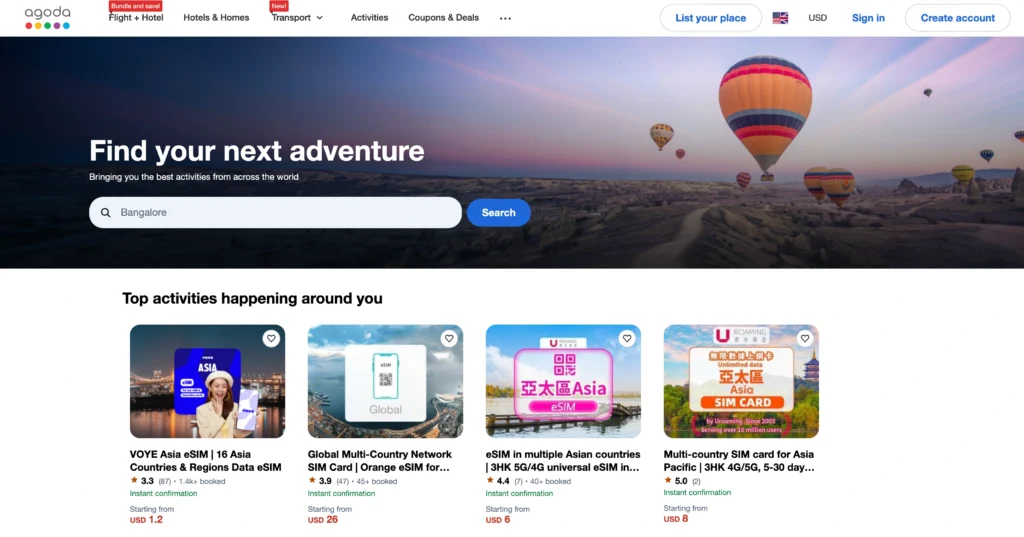
Pricing is where Agoda becomes both impressive and slightly complicated.
In my experience, Agoda can be extremely competitive, particularly across Asian destinations. But comparing travel-booking websites requires comparing the final payable amount, not simply the largest price shown on the results page.
Here is how I generally view the major platforms.
Agoda Pricing vs. Competitors
| Pricing Factor | Agoda | Booking.com | Expedia |
|---|---|---|---|
| Asia hotel pricing | Often excellent | Very competitive | Competitive |
| Member discounts | AgodaVIP / member deals | Genius | One Key member prices |
| App-specific deals | Frequently available | Available on selected offers | Available on selected offers |
| Budget/local hotel selection in Asia | Excellent | Excellent | Good |
| Pay-later options | Available on eligible bookings | Widely available | Available on eligible bookings |
| Rewards ecosystem | AgodaVIP and promotional rewards | Genius benefits | One Key |
| Initial price clarity | Can require careful checking | Generally easy to compare | Generally easy to compare |
| Best suited for | Asia-focused bargain hunters | Broad hotel comparison | Travelers combining multiple products |
Important: Prices and benefits vary by property, destination, account, dates and promotion. I would never assume one platform will always be cheaper.
The most effective approach is simple.
Search the exact same hotel, exact same dates, exact same room type and exact same cancellation policy across at least two platforms.
Then compare the checkout totals.
A $92 room with taxes included can be cheaper than an $84 room that becomes $101 after taxes and fees.
That sounds obvious, but it is one of the easiest mistakes to make when booking hotels online.
Secret Deals, AgodaVIP and Agoda Rewards
Agoda’s discount system is one of the main reasons frequent users keep coming back.
The current AgodaVIP program uses multiple membership levels. Agoda states that membership is free and that eligibility for tiers can depend on factors such as completed bookings and spending. Benefits apply only to eligible bookings rather than every property on the platform.
Agoda’s VIP page currently shows levels including:
| AgodaVIP Level | What It Means |
|---|---|
| Member | Entry-level account benefits and eligible deals |
| Silver | Higher loyalty status with selected VIP benefits |
| Gold | Access to additional eligible VIP offers |
| Platinum | Higher-tier benefits on participating bookings |
| Diamond | Top displayed VIP tier with selected premium benefits |
The exact discounts should not be treated as guaranteed percentages across every hotel. Agoda itself notes that VIP benefits can change and are not guaranteed on an ongoing basis.
That distinction is important.
A “VIP” badge does not automatically mean the hotel is cheaper than every competing website.
It means Agoda is offering a special rate or benefit to eligible members for that particular booking.
I still compare it.
Secret or Insider-style deals work on a similar principle. Certain prices may appear only after signing in, using the app or meeting promotional conditions.
This is where Agoda can become genuinely good value.
Stacking an already competitive hotel price with an account-specific or app-based discount can create a final rate that is difficult for competitors to match.
My approach is to check four versions whenever the booking is expensive:
- Agoda while logged out.
- Agoda while logged into my account.
- The Agoda mobile app.
- The hotel’s direct website.
It takes a few extra minutes, but on a five-night stay, even a 5% difference can be meaningful.
The Tax & Fees Transparency Issue
This is the part of Agoda’s pricing model that deserves the most attention.
Agoda’s current terms state that when browsing travel products, the displayed price is generally exclusive of taxes and service fees unless otherwise stated. Its terms also explain that taxes and fees can vary and may include booking, convenience, processing or other applicable charges.
Agoda’s promotional terms similarly advise users to check the tax-inclusive pricing shown later in the booking process because promotional pages or graphics may show tax-exclusive prices.
This does not mean Agoda is secretly inventing charges at checkout.
It does mean travelers need to understand which price they are looking at.
Imagine you see:
Hotel A: $70 per night
That looks cheaper than a competing site’s $78 rate.
But after selecting the room, you might discover that the final Agoda total includes additional taxes or fees. The actual comparison could therefore be much closer than the search results suggested.
This is one of my biggest criticisms of Agoda.
The platform is very good at communicating savings. Crossed-out rates, percentage discounts and promotional labels are visually prominent. But the number that matters most is the final amount charged for the complete stay.
My rule is simple:
Ignore the discount percentage. Compare the final total.
Also check whether the property itself will collect anything separately at check-in. Depending on the destination, that could include local tourism taxes, city taxes, resort charges or deposits.
If the Agoda checkout total is still lower after all compulsory charges are considered, then you have found a meaningful deal.
If it is only cheaper on the search page, you have not.
Booking & Payment Process
Once I have chosen a hotel, I find Agoda’s actual booking process relatively straightforward.
You select the room, check the conditions, enter traveler information, choose an available payment method and confirm the reservation.
The critical step happens before clicking the final booking button.
I check:
Room type: Is it exactly the room I selected?
Guests: Are all adults and children included correctly?
Meals: Does the price include breakfast?
Cancellation: What is the exact deadline?
Payment timing: Am I paying immediately or later?
Final price: What will actually be charged?
Property charges: Is anything payable separately at the hotel?
Agoda can support different payment arrangements depending on the property, market and booking.
For example, some accommodation listings allow immediate online payment, while others may provide delayed payment or property-based payment arrangements. The specific options available should always be checked on the booking page rather than assumed.
Credit and debit cards remain common payment methods, while local payment options can vary by country and transaction.
For Indian travelers in particular, it is worth checking the payment screen for the local methods offered for that specific reservation rather than assuming UPI will be available for every Agoda booking.
That flexibility is useful, but the cancellation and refund conditions attached to the chosen rate matter just as much as the payment method.
And that brings me to one of the most misunderstood parts of booking through Agoda: what “Free Cancellation” actually means.
Cancellation & Refund Policies
Cancellation policies are one of the most important things to understand before using Agoda.
A large number of negative experiences with hotel booking websites come from travelers assuming that “Free Cancellation” means they can cancel whenever they want. That is usually not what the term means.
The “Free Cancellation” Trap vs. Reality
If Agoda displays Free Cancellation, look for the exact cancellation deadline.
For example, a room may say:
Free cancellation before September 15 at 11:59 PM.
Cancel before that deadline and you should not face the property’s cancellation penalty. Cancel after it, and the hotel may charge one night, part of the booking, or even the entire reservation.
Agoda’s terms make clear that cancellations and refunds depend on the conditions attached to the individual reservation and the travel supplier’s rules. Some reservations are explicitly non-refundable, non-cancellable, or non-changeable.
So I do not consider “Free Cancellation” itself a trap. The problem is that travelers sometimes read the large label without reading the smaller deadline underneath it.
Before confirming any booking, I recommend taking a screenshot of:
- The cancellation deadline
- The total booking price
- Room and meal inclusions
- Payment date
- Any property-collected charges
- The cancellation penalty after the deadline
This takes less than a minute and can be extremely useful if you later need customer support.
Agoda also offers flexibility products on some eligible reservations. For example, its current terms describe Smartflex, which can extend the cancellation period for an additional fee, and a separate Cancel for Any Reason option offered through Cover Genius on eligible bookings. These products have their own conditions, so they should not be confused with standard free cancellation.
How Long Do Agoda Refunds Take?
There is no single refund timeline that applies to every situation.
Agoda’s published cancellation information says eligible accommodation refunds are normally processed within 10 days after a cancellation request, although your bank or payment provider can affect how quickly the money actually appears. Penalties, where applicable, can be deducted from the refund.
The most important distinction is between Agoda processing a refund and the money appearing in your bank account.
Those are not necessarily the same date.
If you have a refundable booking and your plans change, I recommend cancelling as early as possible rather than waiting until the final few hours of the cancellation window.
Agoda Customer Support Analysis
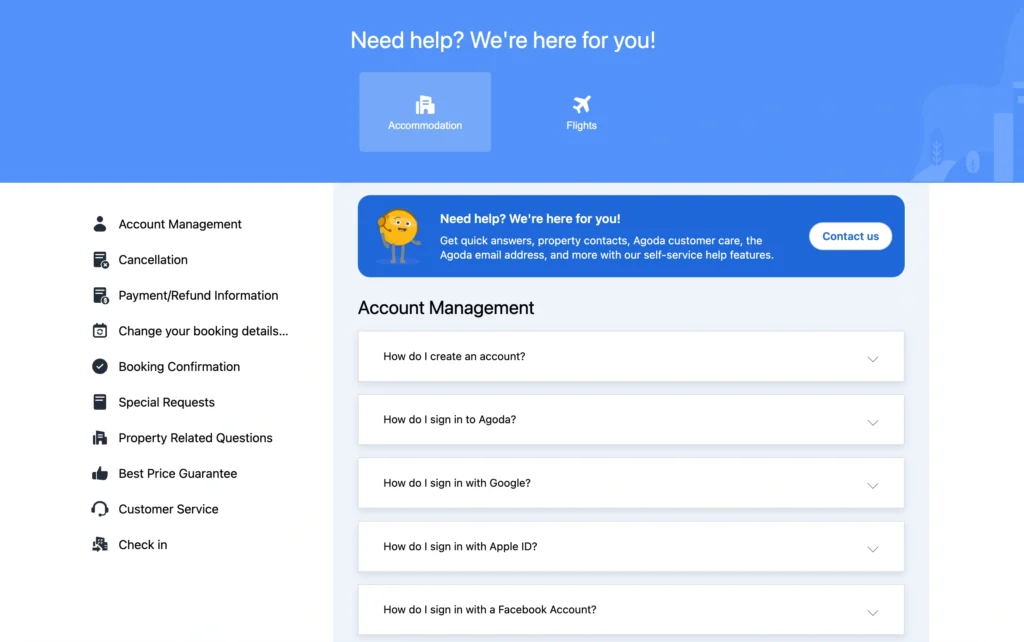
Customer support is probably the most difficult part of any Agoda review to score fairly.
When everything goes smoothly, you may never need to speak to anyone. I have made travel bookings where the confirmation arrived immediately, the hotel had the reservation, and there was nothing else to do.
The real test begins when something goes wrong.
Agoda’s Help Center provides self-service options for common issues including booking details, cancellations, refunds, changing dates, guest information and booking confirmations. It also provides routes to contact customer service.
For simple requests, I like the self-service approach.
If I simply need to cancel an eligible hotel booking, check the reservation status or retrieve booking information, I would rather do that online than wait for an agent.
More complicated cases can take longer.
Imagine arriving at a hotel at midnight and the receptionist cannot locate your reservation. You do not want automated answers. You need someone who can verify the booking and communicate with the property.
This is where third-party booking platforms generally have an extra layer of complexity. You are dealing with the traveler, Agoda, the property and, in some cases, another travel supplier.
My approach when something goes wrong is straightforward:
- Keep the Agoda booking ID ready.
- Screenshot the reservation and payment confirmation.
- Speak to the hotel directly first for property-specific issues.
- Contact Agoda immediately if the property cannot resolve it.
- Keep written records of chats, emails and receipts.
For bookings involving properties in India, Agoda’s current terms also identify a grievance process for qualifying India-related accommodation bookings.
I would rate Agoda’s support as adequate for normal booking issues, but potentially frustrating when a complicated case requires coordination between several parties.
That is not unique to Agoda, but it is something travelers should understand before booking a very expensive or time-sensitive trip through any online travel agency.
Agoda Homes & Flights: Is Agoda a Complete Travel Solution?
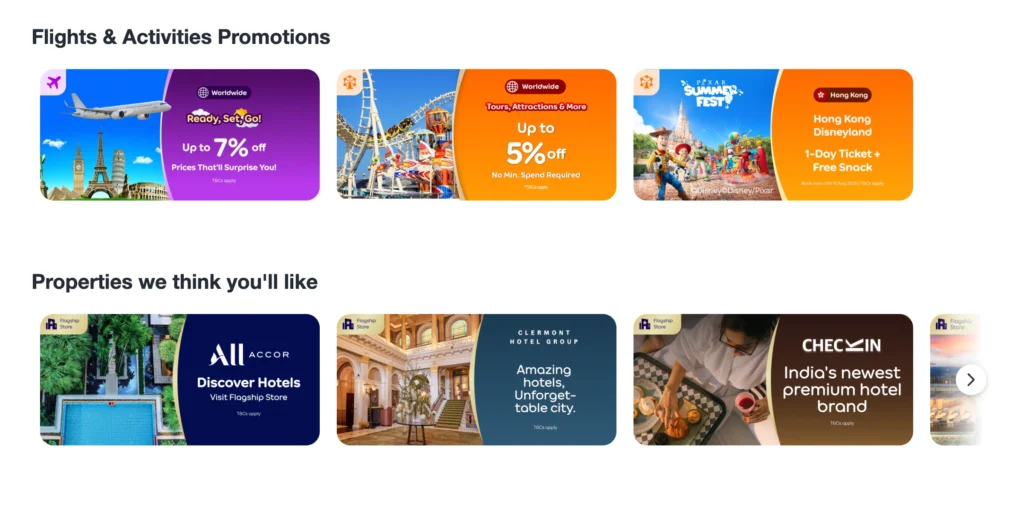
Agoda is much more than a hotel search engine today.
Agoda Homes
Agoda Homes expands the platform beyond traditional hotels into apartments, villas, holiday rentals and other private accommodation.
This can be particularly useful for:
- Families needing multiple bedrooms
- Groups traveling together
- Longer stays
- Travelers who want kitchen facilities
- Digital nomads
- Travelers who prefer apartments over hotels
I still pay extra attention to reviews when booking a private property.
Hotels generally have standardized reception and check-in procedures. With an apartment or holiday home, check-in instructions, key collection and host communication can vary significantly.
Agoda Flights
Agoda also allows travelers to search and book flights, making it possible to handle more of a trip within one platform.
The convenience is attractive, but I am more cautious with third-party flight bookings than hotel reservations.
Flights are complicated because the airline’s fare rules still matter. Agoda’s terms specifically state that different fares on the same airline can have different cancellation, refund and modification conditions. Agoda also notes that airlines may charge separately for services such as baggage, seat selection, meals or priority boarding.
For a simple flight where Agoda offers a meaningful price advantage, I would consider it.
For an expensive multi-city itinerary, complicated international connection or trip where I expect to change dates, I would compare Agoda’s fare carefully with booking directly through the airline.
Agoda Pros & Cons
After looking at pricing, usability, cancellation policies and support, Agoda has several clear strengths and a few weaknesses travelers should know about.
Pros
- Excellent hotel selection in Asia: Agoda is particularly strong for Thailand, Vietnam, Indonesia, Malaysia, Japan and other Asian markets.
- Competitive prices: I frequently find Agoda among the cheapest options for Asian accommodation.
- Member pricing: AgodaVIP and account-specific rates can reduce prices on eligible hotels.
- Good mobile experience: The app is fast and can surface mobile-specific deals.
- Useful filters: It is easy to narrow large hotel inventories by price, rating, location and facilities.
- Wide accommodation variety: Hotels, hostels, apartments, villas and holiday homes are available.
- Flexible payment options: Eligible properties may offer Pay Now, Book Now Pay Later or Pay at Hotel arrangements.
- Large review database: Recent guest reviews can be extremely useful when choosing between similar properties.
- Flights and activities: Travelers can use Agoda for more than accommodation.
Cons
- Pricing can feel complicated: The first displayed rate is not always the number I use to compare platforms.
- Taxes and fees require attention: Always compare the final checkout total.
- Many promotional labels: VIP deals, crossed-out prices and other discount messages can make the interface feel busy.
- Cancellation rules vary: “Free Cancellation” always needs to be checked against its deadline.
- Third-party flight bookings add complexity: Airline changes can be more complicated when an intermediary is involved.
- Support experience can vary: Simple problems are easier to solve than disputes involving hotels or other suppliers.
- Cheapest rates can be restrictive: Some attractive prices may be non-refundable.
Agoda vs Booking.com vs Expedia
There is no single best hotel booking website for every traveler.
I use different platforms depending on the destination, price and type of trip.
Here is my practical comparison.
| Category | Agoda | Booking.com | Expedia |
|---|---|---|---|
| Hotel selection | Excellent | Excellent | Excellent |
| Asia coverage | Excellent | Excellent | Good to Excellent |
| US/Europe coverage | Very Good | Excellent | Excellent |
| Budget Asian properties | Excellent | Excellent | Good |
| Loyalty program | AgodaVIP | Genius | One Key |
| Mobile deals | Strong | Strong | Strong |
| Holiday rentals | Yes | Yes | Yes |
| Flights | Yes | Yes | Yes |
| Package travel focus | Moderate | Moderate | Strong |
| Interface | Deal-heavy | Relatively straightforward | Good for multi-product travel |
| Best for | Asia & deal hunting | Broad hotel booking | Flights, hotels & packages |
Agoda is usually one of my first checks when traveling in Asia.
Booking.com is excellent when I want a huge accommodation inventory and straightforward hotel comparison. Booking.com also provides 24/7 customer-service contact options for travelers who need additional help with reservations.
Expedia becomes particularly interesting when I want to combine several parts of a trip and use its broader travel ecosystem.
My recommendation is not to become loyal to one website simply because it was cheapest last time.
Compare at least two platforms for every expensive booking.
Expert Tips: How I Try to Save an Extra 10% on Agoda
There is no guaranteed trick that makes every Agoda hotel 10% cheaper. However, combining several methods can sometimes produce meaningful savings.
1. Sign In Before Booking
Always compare the public price with the price shown after signing into your Agoda account.
Some eligible properties have member or AgodaVIP rates that are not reflected in the initial public price.
2. Check the Mobile App
Before paying on desktop, I check the same property in Agoda’s app.
App-specific promotions can occasionally change the final price.
3. Compare the Same Room, Not Just the Same Hotel
This is critical.
A Deluxe King Room with breakfast and free cancellation is not comparable to a Standard Double Room without breakfast that cannot be refunded.
Make sure everything matches.
4. Change Your Dates Slightly
If your schedule is flexible, test moving your stay by one day.
Hotel rates can change dramatically based on weekends, events, conferences and local demand.
5. Check Longer Stays
Do not assume the nightly rate remains identical.
Some properties offer better effective rates for longer stays or specific promotional periods.
6. Compare Agoda With the Hotel Directly
I always check the hotel’s official website before confirming an expensive reservation.
Sometimes Agoda wins on price.
Sometimes the direct price is similar but includes breakfast, room upgrades, hotel loyalty points or more flexible cancellation.
7. Ignore the Huge Discount Percentage
A “60% OFF” banner does not automatically mean you are getting the cheapest rate on the internet.
The only number I care about is:
Final price ÷ number of nights.
Then I compare that figure across platforms while keeping room type and cancellation terms identical.
That is the most reliable way to determine whether an Agoda deal is actually a deal.
Final Verdict: Is Agoda Reliable and Worth Using?
After considering its inventory, pricing, booking experience, cancellation rules and support structure, I consider Agoda a legitimate and useful travel-booking platform, especially for accommodation in Asia.
Its biggest advantage is price competition.
When I am searching for hotels in destinations such as Bangkok, Bali, Kuala Lumpur, Ho Chi Minh City, Tokyo or Singapore, Agoda is one of the platforms I would check early in the process.
Its biggest weakness is that getting the best value requires attention.
You need to look beyond discount percentages and compare the final amount. You need to read the cancellation deadline. You need to understand whether you are paying now, later or directly at the property.
Do those things and Agoda can be excellent.
Book purely because a giant discount badge tells you a room is cheap, and you may miss important details.
My Agoda Rating
| Category | Rating |
|---|---|
| Hotel Selection | 9.2/10 |
| Pricing | 9.0/10 |
| Ease of Use | 8.7/10 |
| Mobile App | 9.0/10 |
| Payment Flexibility | 8.8/10 |
| Price Transparency | 7.8/10 |
| Customer Support | 7.8/10 |
| Asia Travel | 9.5/10 |
| Overall Rating | 8.7/10 |
Best for: Travelers looking for competitive hotel prices, particularly in Asia.
Less ideal for: Travelers who dislike comparing rate conditions or who want every part of a complex trip booked directly with the travel provider.
My final recommendation is simple: use Agoda, but compare before you pay.
Frequently Asked Questions About Agoda
1. Is Agoda Legit and Reliable?
Yes. Agoda is an established online travel booking company and part of Booking Holdings. Millions of travelers use it to book accommodation and other travel products.
As with any third-party booking website, reliability also depends on the individual hotel or travel supplier. I recommend keeping your confirmation email and contacting the hotel directly before an important trip if you want additional reassurance.
2. Is Agoda Cheaper Than Booking.com?
Sometimes.
I frequently find Agoda extremely competitive for hotels in Asia, but Booking.com can be cheaper for other properties or dates.
Compare the final price for the same room with identical cancellation and meal conditions, rather than comparing headline rates.
3. Why Is Agoda So Cheap?
Agoda uses negotiated property rates, member pricing, AgodaVIP offers, promotional campaigns and mobile-specific discounts.
A low price is not automatically suspicious. However, cheaper rooms sometimes come with stricter cancellation or payment conditions, so always read the rate rules.
4. Does Agoda Offer Free Cancellation?
Many Agoda accommodation listings offer free cancellation, but not all of them.
The cancellation deadline matters. Agoda’s terms state that cancellation and refund conditions are governed by the individual booking conditions and supplier rules, and some reservations are non-refundable or non-changeable.
5. How Long Does an Agoda Refund Take?
Agoda’s published accommodation cancellation information says qualifying refunds are normally processed within 10 days after receiving the cancellation request, subject to applicable penalties. Your bank or payment provider may require additional time before the funds appear.
6. Is It Better to Pay Now or Pay Later on Agoda?
It depends on the price and your travel plans.
I prefer Pay Later when my plans are uncertain and the rate remains competitive. I am comfortable paying immediately when the discount is substantial and my dates are fixed.
Always check whether the rate itself is refundable. Paying later does not automatically mean you can cancel without a penalty.
7. Is Agoda Good for International Travel?
Yes, particularly for hotel bookings in Asia.
Agoda can also be useful in Europe, North America and other regions, but its Asian accommodation inventory remains one of the strongest reasons I use it.
For international trips, I recommend comparing Agoda with Booking.com, Expedia and the hotel’s own website before confirming an expensive stay.
Ultimately, Agoda is worth using because it gives travelers another strong source of inventory and pricing. It does not need to be your only booking platform. In fact, I think it works best when you use it as part of a smart comparison process.
Find the right hotel, verify the room conditions, check the final price, read the cancellation policy, and then book wherever the complete deal makes the most sense.