
Traveling has become more affordable than ever, thanks to online booking platforms, airline promotions, and hotel discounts. But there’s one problem that catches many travelers off guard: hidden travel booking fees.
You find a flight for $150, only to discover the final checkout price is $220. A hotel room advertised for $90 per night suddenly costs $130 after taxes, resort fees, and service charges. Rental cars that look like a bargain become surprisingly expensive after insurance, airport surcharges, and fuel fees are added.
These unexpected charges can quickly ruin a carefully planned travel budget.
The good news is that most hidden travel booking fees are avoidable if you know where to look. By understanding how airlines, hotels, online travel agencies, and car rental companies price their services, you can save hundreds of dollars on every trip.
In this guide, you’ll learn exactly how hidden fees work, where they appear, and the practical steps you can take to avoid paying more than necessary.
What Are Hidden Travel Booking Fees?

Hidden travel booking fees are additional charges that aren’t always included in the advertised price. While some fees are mandatory, others are optional services that travelers unknowingly purchase during the booking process.
These charges may appear during checkout or even after you’ve arrived at your destination.
Common examples include:
- Resort fees
- Service charges
- Convenience fees
- Seat selection fees
- Checked baggage charges
- Booking platform fees
- Airport taxes
- Currency conversion charges
- Payment processing fees
- Cleaning fees for vacation rentals
While some fees are legitimate, many travelers simply don’t notice them until the final payment page.
Understanding these charges is the first step toward avoiding them.
Why Hidden Fees Have Become So Common

Travel companies compete by advertising the lowest possible prices.
Instead of increasing the advertised fare, many companies separate services into optional extras. This pricing strategy makes their listings appear cheaper when customers compare options online.
For example:
- An airline advertises a low ticket price.
- Checked baggage costs extra.
- Seat selection costs extra.
- Priority boarding costs extra.
- Food and drinks cost extra.
The advertised fare looks attractive, but the final cost may be much higher.
Hotels follow a similar strategy by adding resort fees, parking fees, Wi-Fi charges, and destination fees after the room price is displayed.
Online travel agencies may also include booking service charges depending on the destination and payment method.
Knowing where these fees appear helps you compare prices more accurately.
Common Hidden Fees You Should Watch For
1. Airline Baggage Fees
Low-cost airlines often charge separately for luggage.
Common baggage charges include:
- Carry-on baggage
- Checked luggage
- Overweight baggage
- Oversized luggage
- Sports equipment
- Musical instruments
Before booking, always check:
- Weight limits
- Cabin baggage size
- Personal item allowance
- Additional baggage prices
Sometimes paying slightly more for another airline includes free baggage and becomes the cheaper option overall.
2. Seat Selection Fees
Many airlines automatically assign seats for free.
However, passengers are encouraged to pay extra for:
- Window seats
- Aisle seats
- Front-row seating
- Extra legroom
- Exit row seats
If seating location isn’t important, simply skip seat selection during booking.
Many airlines assign seats automatically during check-in without additional charges.
3. Hotel Resort Fees
Resort fees are among the most frustrating hidden charges.
Even business hotels in cities now charge mandatory resort or destination fees.
These fees may supposedly cover:
- Wi-Fi
- Gym access
- Swimming pool
- Business center
- Local phone calls
- Complimentary drinks
Unfortunately, you often pay these fees whether you use the facilities or not.
Always review the hotel’s pricing details before completing payment.
4. Cleaning Fees for Vacation Rentals
Vacation rentals frequently include separate cleaning charges.
A property that appears inexpensive can become expensive once cleaning fees are added.
Always compare:
- Nightly rate
- Cleaning fee
- Service fee
- Taxes
The total booking price matters much more than the nightly price alone.
5. Booking Platform Service Fees
Many travel websites charge additional booking or service fees.
These fees may vary depending on:
- Country
- Currency
- Payment method
- Booking value
Before confirming payment, compare prices across multiple booking websites.
Sometimes booking directly with the airline or hotel removes these additional charges.
6. Payment Processing Fees
Certain payment methods may trigger extra costs.
Examples include:
- Credit card surcharge
- Foreign transaction fee
- International payment fee
- Installment charges
Using the right travel credit card can eliminate many of these expenses.
How to Compare Travel Prices Correctly

One of the biggest mistakes travelers make is comparing only the advertised prices.
Instead, compare the final checkout price.
Step 1: Open Multiple Booking Websites
Compare prices across:
- Airline websites
- Hotel websites
- Online travel agencies
- Meta-search engines
Never assume the first result is the cheapest.
Step 2: Include All Taxes
Some websites display prices before taxes.
Others include taxes immediately.
Make sure you’re comparing identical totals.
Step 3: Add Expected Extras
Consider:
- Baggage
- Seat selection
- Meals
- Parking
- Resort fees
- Cleaning charges
A slightly higher base price may actually be cheaper after extras are included.
Step 4: Check Cancellation Policies
Flexible bookings sometimes cost slightly more.
However, they can save hundreds if your plans change.
Read:
- Cancellation deadlines
- Refund policies
- Change fees
- Credit validity
Flexibility has value, especially for international trips.
Always Read the Price Breakdown

Most booking websites include a detailed pricing summary.
Don’t rush through it.
Review every line item carefully.
Look for charges such as:
- Taxes
- Booking fees
- Processing fees
- Service fees
- Destination fees
- Airport fees
- Cleaning fees
- Insurance
- Optional upgrades
If something seems unclear, investigate before making payment.
Five extra minutes can save significant money.
Book Directly When It Makes Sense

Many travelers assume third-party websites always offer the best deals.
That’s not always true.
Booking directly with airlines or hotels often provides advantages.
Benefits of Direct Booking
- Better cancellation policies
- Easier customer support
- Loyalty points
- Exclusive member discounts
- Free room upgrades
- Flexible modifications
- Lower risk of booking errors
Hotels frequently match prices found on other websites.
Some even provide additional benefits when you book directly.
Always compare both options before making your decision.
Understand Airline Fare Types

Not every airfare includes the same services.
Typical fare categories include:
- Basic Economy
- Economy
- Premium Economy
- Business Class
- First Class
Basic Economy often excludes:
- Free checked baggage
- Seat selection
- Flight changes
- Priority boarding
Sometimes upgrading to regular Economy costs only a little more while including several services that would otherwise require separate payments.
Always compare the complete value instead of focusing solely on the lowest fare.
Be Careful With Add-On Offers During Checkout

Booking websites are designed to encourage additional purchases.
You’ll often see offers for:
- Travel insurance
- Airport transfers
- Hotel upgrades
- Rental cars
- Mobile SIM cards
- Activities
- Priority boarding
- Lounge access
Ask yourself one question before accepting any extra:
Do I actually need this?
Many travelers purchase services simply because they’re presented during checkout.
Removing unnecessary add-ons can significantly reduce the final booking cost.
Watch Out for Rental Car Fees
Rental cars often appear inexpensive until you reach the final payment screen. What starts as a $30-per-day rental can easily double in price once additional fees are included.
Common Rental Car Hidden Fees
Be aware of charges such as:
- Airport pickup fees
- Young driver surcharges
- Additional driver fees
- Fuel service charges
- GPS rental fees
- Child seat rental
- Road toll packages
- Vehicle cleaning fees
- Late return penalties
Always read the rental agreement carefully before confirming your reservation. If you already have travel insurance or credit card coverage, you may not need to purchase the rental company’s insurance package.
Know When Travel Insurance Is Worth Buying
Travel insurance can be valuable, but not every booking requires it.
Some booking websites automatically pre-select insurance during checkout. If you don’t notice, you could end up paying for coverage you don’t need.
Before Purchasing Insurance, Check If You Already Have:
- Credit card travel insurance
- Employer travel coverage
- Annual travel insurance policy
- Health insurance for domestic trips
If you already have coverage, paying again simply increases your travel costs.
Avoid Currency Conversion Tricks
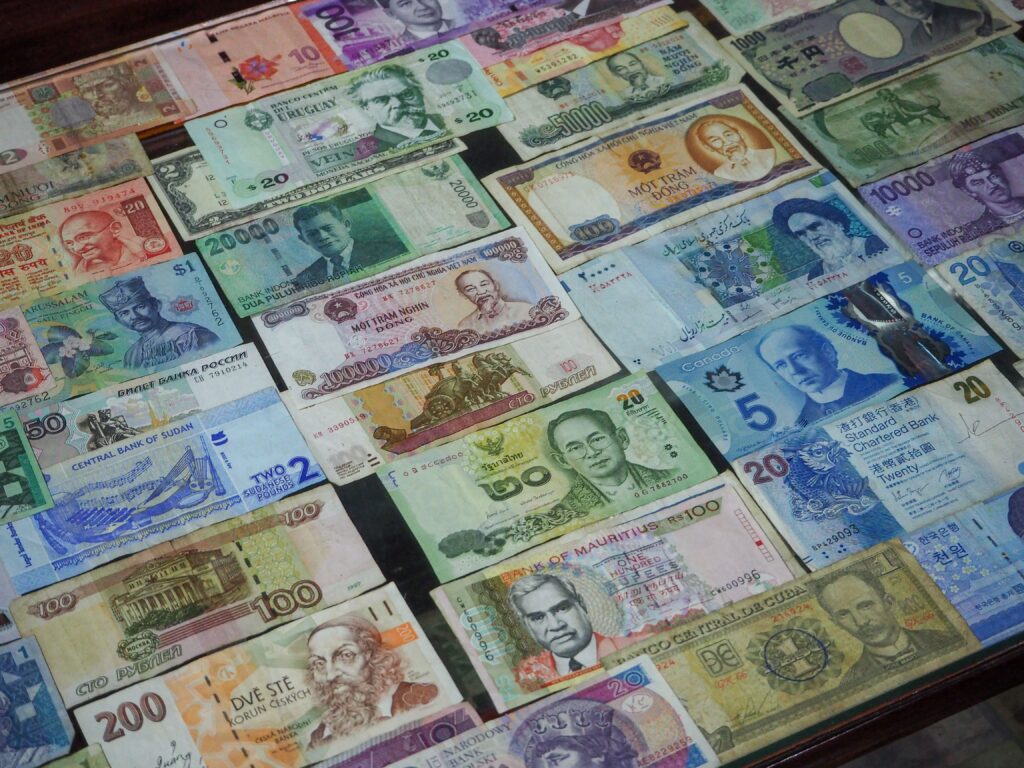
Many international booking websites allow you to pay in your local currency.
Although this sounds convenient, it often comes with poor exchange rates.
This practice is known as Dynamic Currency Conversion (DCC).
Whenever possible:
- Pay in the merchant’s local currency.
- Let your bank or travel credit card handle the conversion.
- Use cards with no foreign transaction fees.
Doing this can save several percentage points on international bookings.
Join Loyalty Programs Before Booking
Many travelers forget one of the easiest ways to save money.
Airlines, hotels, and travel booking websites often reward members with:
- Member-only pricing
- Free Wi-Fi
- Free breakfast
- Room upgrades
- Flexible cancellation
- Bonus reward points
- Early access to sales
Joining is usually free and only takes a few minutes.
Even if you travel only once or twice a year, loyalty programs can provide worthwhile savings.
Use Price Alerts Before You Book

Booking immediately isn’t always the smartest move.
Many flight and hotel prices change daily based on demand.
Instead of checking prices manually every day, use price alerts to monitor fare changes.
Price alerts help you:
- Track airfare drops
- Monitor hotel rates
- Compare seasonal pricing
- Book at the right time
This simple habit can save far more than any coupon code.
Comparison Table: Common Hidden Travel Booking Fees
| Fee Type | Where It Appears | Can You Avoid It? | How to Save |
|---|---|---|---|
| Checked baggage | Airlines | Yes | Pack lighter or choose airlines with baggage included |
| Seat selection | Airlines | Usually | Accept automatic seat assignment |
| Resort fee | Hotels | Rarely | Compare hotels without mandatory fees |
| Cleaning fee | Vacation rentals | No | Compare total stay cost instead of nightly rate |
| Booking fee | OTA websites | Sometimes | Compare with direct booking |
| Currency conversion fee | International bookings | Yes | Pay in local currency |
| Foreign transaction fee | Credit cards | Yes | Use travel-friendly credit cards |
| Airport surcharge | Rental cars | Sometimes | Pick up from off-airport locations |
| Fuel charge | Rental cars | Yes | Return the car with a full tank |
| Payment processing fee | Booking websites | Sometimes | Try different payment methods |
Pros and Cons of Booking Through Third-Party Websites
| Pros | Cons |
|---|---|
| Compare multiple providers quickly | Customer support can be slower |
| Bundle flights and hotels | Additional booking fees may apply |
| Frequent discounts and promotions | Refunds can take longer |
| Easy price comparisons | Reservation changes may be more complicated |
| Loyalty rewards on some platforms | Extra services are heavily promoted |
Pro Tips to Avoid Hidden Travel Booking Fees
Experienced travelers rarely pay the full advertised price because they know where to look.
Here are some practical tips:
- Always compare the total checkout price, not the starting price.
- Read the cancellation policy before paying.
- Avoid unnecessary seat upgrades unless comfort is essential.
- Travel with carry-on luggage whenever possible.
- Use travel credit cards that waive foreign transaction fees.
- Join airline and hotel loyalty programs before booking.
- Compare direct booking prices with online travel agencies.
- Review every optional add-on before completing payment.
- Book rental cars away from airport locations if practical.
- Take screenshots of advertised prices in case of pricing discrepancies.
- Read recent customer reviews to identify unexpected fees.
- Double-check the final payment screen before clicking “Confirm.”
These habits may seem small individually, but together they can save hundreds of dollars over multiple trips.
Frequently Asked Questions
1. What are hidden travel booking fees?
Hidden travel booking fees are extra charges added during or after the booking process. These may include baggage fees, resort fees, booking charges, service fees, payment processing fees, or optional upgrades that increase the final cost.
2. Are resort fees mandatory?
In most cases, yes. Hotels that charge resort or destination fees generally require guests to pay them regardless of whether they use the included amenities.
3. Is it cheaper to book directly with airlines and hotels?
Sometimes. Direct bookings can eliminate certain service fees and may include loyalty benefits, flexible cancellation policies, or exclusive discounts. However, it’s still worth comparing prices across multiple booking platforms.
4. How can I avoid airline baggage fees?
Travel with only a personal item or carry-on when possible, follow baggage size and weight limits, and compare airlines that include checked baggage in the ticket price.
5. Should I buy travel insurance during checkout?
Only if you need it. Check whether your credit card, employer, or existing travel insurance already provides similar coverage before purchasing additional protection.
6. Why does the final booking price differ from the advertised price?
Advertised prices often exclude taxes, mandatory fees, optional services, or payment processing charges. Always review the full price breakdown before completing your booking.
7. How do I avoid foreign transaction fees?
Use a travel credit card that doesn’t charge foreign transaction fees and pay in the merchant’s local currency instead of accepting dynamic currency conversion.
8. Are third-party booking websites safe?
Most well-known booking platforms are safe to use. However, always review cancellation policies, customer support options, and the complete price breakdown before confirming your reservation.
Conclusion
Hidden travel booking fees can quietly increase the cost of your vacation, but they don’t have to. By taking a few extra minutes to compare total prices, review fee breakdowns, skip unnecessary add-ons, and understand the terms before you book, you can avoid many of the charges that catch travelers by surprise.
The smartest travelers don’t just search for the cheapest advertised price. They focus on the final amount they’ll actually pay. Whether you’re booking flights, hotels, vacation rentals, or rental cars, being informed helps you make better decisions and stretch your travel budget further.
The next time you’re planning a trip, use the tips in this guide to identify hidden fees before they become expensive surprises. With careful planning and attention to detail, you’ll spend less on booking costs and have more money available to enjoy your destination.