
Explore Nummazaki, Japan, with this practical guide to its dramatic coastline, fishing villages, seafood, hot springs, outdoor adventures, and seasonal highlights.
Japan has no shortage of famous destinations. Tokyo gives you neon-lit streets and endless neighborhoods. Kyoto has temples and traditional architecture. Osaka delivers incredible food and nightlife.
But sometimes the best part of a Japan trip happens when you leave the major tourist route behind.
That’s the appeal of Nummazaki, a name used in some travel content to describe the quieter coastal area associated with Numazu and the western Izu region of Shizuoka. Rather than being a major standalone tourist city, think of Nummazaki as a way of exploring this beautiful stretch of Japanese coastline.
Here, the experience is less about rushing between famous landmarks and more about rugged coastal scenery, small fishing communities, fresh seafood, quiet walks, hot springs, and views across Suruga Bay.
If you’ve already experienced Japan’s big cities or simply want a slower coastal escape, this Nummazaki travel guide will help you understand what makes the region worth adding to your itinerary.
Where Is Nummazaki, Japan: Location, Access, and Why It’s Worth Visiting
Before planning your trip, there’s one important detail to understand.
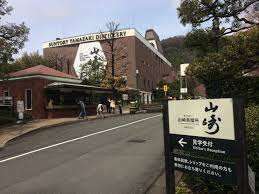
Nummazaki isn’t generally recognized as an official Japanese city or town. The name appears in some English-language travel content in connection with the coastal area around Numazu, Suruga Bay, Heda, and western Izu in Shizuoka Prefecture.
For practical travel planning, search using actual place names such as Numazu, Heda, Suruga Bay, and the Izu Peninsula.
Numazu sits southwest of Tokyo on the coast of Suruga Bay. The wider region combines mountains, harbors, beaches, fishing communities, and deep ocean scenery.
One of the biggest advantages is accessibility.
You can travel from Tokyo toward Mishima by Shinkansen and continue to Numazu. Exploring farther down the western Izu coastline takes additional time, especially if you’re relying entirely on public transportation.
Why make the journey?
Because the atmosphere changes dramatically once you move away from Japan’s major urban centers.
The pace slows down. Buildings become smaller. Fishing boats replace commuter trains. Seafood becomes part of everyday life rather than something marketed specifically to visitors.
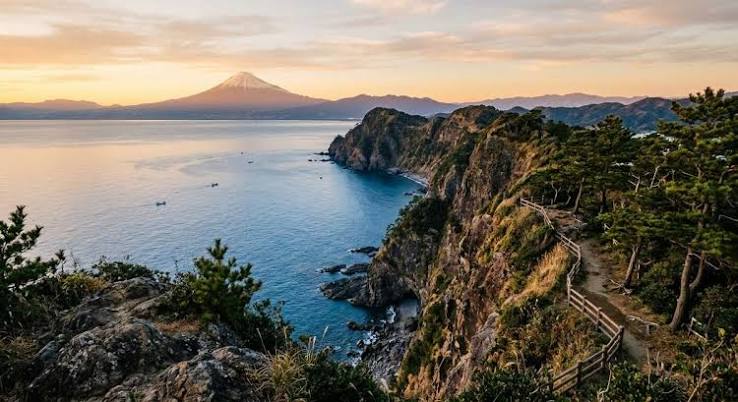
And on a clear day, Mount Fuji can appear across the water.
The Coastline: Drama, Solitude, and Natural Beauty
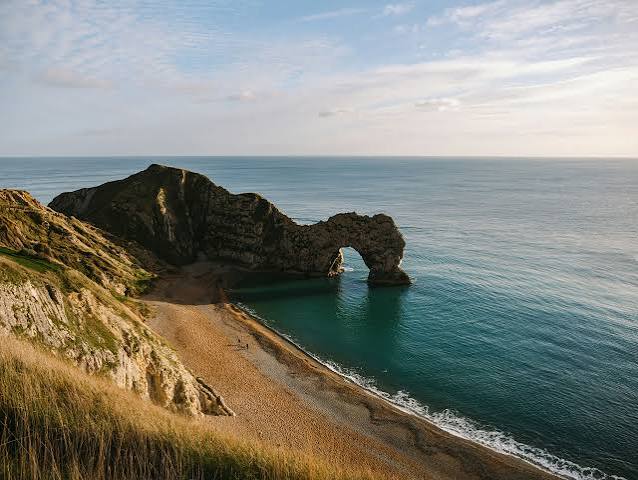
The coastline is arguably the biggest reason to explore the Nummazaki area.
Suruga Bay meets a landscape of wooded hills, rocky shoreline, fishing harbors, beaches, and small communities.
It’s not necessarily the kind of coastline where you’ll find endless rows of beach clubs and huge resorts.
That’s part of the attraction.
The scenery feels much more natural.
You can spend the morning walking beside the water, stop for seafood in a fishing community, and end the afternoon watching the light change across the bay.
Clifftop Trails with Panoramic Views
Walking is one of the best ways to appreciate the landscape.
The wider western Izu region offers coastal and hillside routes where you can enjoy views over Suruga Bay and the surrounding mountains.
Some walks are relatively relaxed, while others involve steeper terrain.
I’d bring:
- Comfortable walking shoes
- Water
- Sun protection
- Light rain jacket
- Portable charger
- Offline navigation
- A warmer layer outside summer
Don’t judge a route only by distance.
Three miles on flat city streets is very different from three miles on a steep coastal trail.
Weather also matters.
Wind can be stronger on exposed sections, while heavy rainfall may make certain trails slippery or unsuitable.
Check local conditions before attempting a longer walk.
Beaches and Hidden Coves
You don’t need to spend your entire visit looking down at the ocean from a cliff.
There are beaches and smaller coves throughout the broader coastline.
Some are suitable for swimming during warmer months, while others are better for walking, photography, fishing, or simply enjoying the view.
Summer is the obvious season if swimming is your priority.
Outside summer, beaches become quieter.
Personally, I think that can make them more appealing.
You might have a peaceful section of coastline almost entirely to yourself, especially on a weekday.
Just don’t assume every attractive cove is safe for swimming.
Rocky coastlines can have unpredictable currents, slippery surfaces, sudden depth changes, and waves. Follow local signs and use designated swimming areas whenever possible.
Sunrise and Sunset Watching
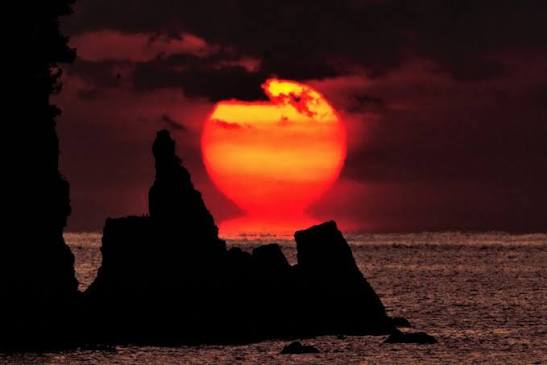
If you’re interested in photography, make room in your itinerary for both early mornings and late afternoons.
Coastal light changes quickly.
Mount Fuji visibility can also be unpredictable.
You may wake up to a completely clear view and find the mountain hidden behind clouds a few hours later.
That’s why I’d follow one simple rule:
If Fuji is visible, take the photo now.
Don’t wait until later.
Winter can be particularly rewarding because clearer air often improves long-distance visibility.
Sunset offers a completely different atmosphere.
Find a safe waterfront or elevated viewpoint, arrive before the sun begins dropping, and stay a little after sunset.
Some of the best colors appear after the sun has disappeared.
Marine Life and Ocean Experiences
Suruga Bay isn’t simply beautiful from the surface.
It’s exceptionally deep and supports a diverse marine ecosystem.
That connection between the sea and everyday life is visible throughout the region.
Numazu’s waterfront and port areas are particularly interesting if you want to understand the marine side of the destination.
Depending on where you stay and the season, activities around the wider coastline can include:
- Fishing
- Boat trips
- Diving
- Snorkeling
- Coastal wildlife watching
- Aquarium visits
- Harbor walks
- Seafood-market visits
Not every activity operates throughout the year.
Weather and sea conditions can affect boat tours, diving, and fishing trips, so keep some flexibility in your itinerary.
Even if you don’t get onto the water, spending time around a working harbor can be worthwhile.
Go early enough and you’ll see a completely different side of coastal life compared with arriving in the middle of the afternoon.
Traditional Fishing Villages: Culture at the Heart of the Coast
Small fishing communities are one of the most interesting parts of exploring western Izu.
These aren’t simply picturesque villages designed for tourism.
Fishing remains part of the local economy and everyday life.
You’ll see boats, working harbors, equipment, seafood businesses, and restaurants serving catches from surrounding waters.
A Living Heritage
Heda is a good example of the quieter coastal atmosphere you can experience in this region.
The community sits along western Izu and feels very different from central Tokyo or even busier parts of the peninsula.
That’s precisely why I’d visit.
- Don’t arrive expecting a huge list of attractions.
- Walk around.
- Look at the harbor.
- Have lunch.
- Spend time beside the water.
- Watch how people actually use the coastline.
Travel becomes more interesting when every destination doesn’t need to entertain you every minute.
It’s also worth remembering that these are real communities.
Avoid blocking working areas for photographs, respect private property, and ask before photographing local residents closely.
Local Seafood Culture
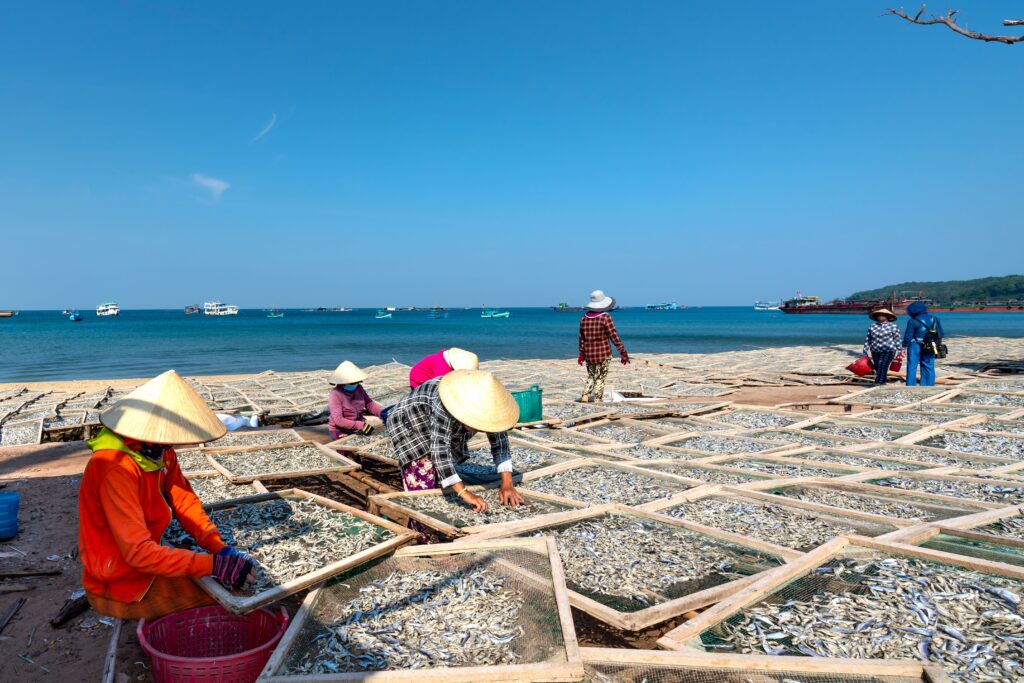
If you enjoy seafood, come hungry.
The waters around Suruga Bay play an important role in the region’s food culture.
Depending on the season and restaurant, you may encounter sashimi, sushi, grilled fish, seafood rice bowls, shellfish, and regional specialties.
Heda is particularly associated with Japanese spider crab.
Rather than deciding exactly what you’re going to eat before arriving, look at what’s fresh and ask about seasonal specialties.
That’s one of the pleasures of eating in fishing communities.
The best meal isn’t necessarily the restaurant with the fanciest interior.
Sometimes it’s a simple bowl of rice topped with fresh seafood a short distance from the harbor.
Shrines, Temples, and Spiritual Heritage
The coastal landscape isn’t only about nature and fishing.
Shrines and temples are woven throughout communities across Shizuoka and the Izu Peninsula.
Many aren’t internationally famous.
That can make visiting them more peaceful.
A small shrine surrounded by trees may not have Kyoto’s grand architecture, but it can offer something that’s increasingly difficult to find at Japan’s headline attractions: silence.
You may hear birds, wind through the trees, a temple bell, or distant waves rather than hundreds of conversations.
When visiting religious sites, remember that they’re active spiritual spaces.
Keep your voice low, follow posted rules, avoid restricted areas, and don’t treat ceremonies or worshippers as tourist attractions.
Arts, Crafts, and Local Creative Life
One of the pleasures of exploring smaller Japanese communities is discovering things you weren’t specifically searching for.
Look for independent shops, ceramics, local food products, galleries, traditional crafts, and small creative spaces.
You may not find a huge shopping district.
That’s fine.
The point is to see what reflects the region itself.
The coastline also provides endless inspiration for photography.
Don’t photograph only Mount Fuji and the biggest viewpoints.
Look for smaller details:
- Fishing nets drying beside the harbor
- Weathered boats
- Traditional buildings
- Small shrines
- Local shop signs
- Seafood preparation
- Narrow streets
- Morning mist over the water
These details often tell a better story about a destination than another perfectly framed tourist landmark.
Hot Springs: Relaxation After the Trail
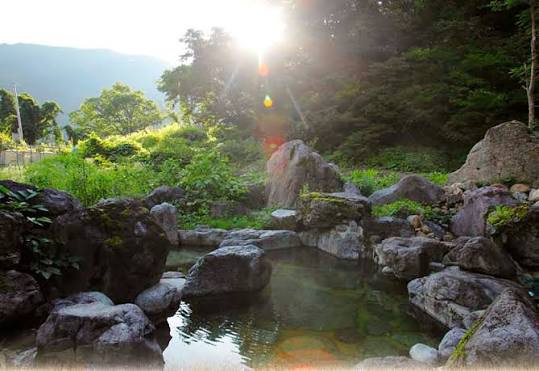
If there’s one experience I’d add to a coastal walking trip, it’s an onsen.
The Izu Peninsula is well known for hot springs, making it easy to combine outdoor exploration with a traditional Japanese bathing experience.
After spending hours walking beside the coast, soaking in hot mineral water feels particularly good.
Consider staying overnight at a ryokan rather than treating the entire region as a rushed day trip.
A traditional stay might include:
- Afternoon check-in.
- Changing into a yukata.
- An onsen bath.
- Multi-course Japanese dinner.
- Sleeping in a tatami room.
- Morning bath.
- Traditional breakfast.
You don’t necessarily need the most expensive ryokan.
A smaller property with good hospitality can provide an equally memorable experience.
If you have tattoos, check the property’s bathing policy before booking. Rules vary between establishments.
Private baths can also be a useful option for travelers who want more privacy.
Best Time to Visit Nummazaki, Japan: Seasonal Guide
The region can be visited throughout the year, but the experience changes significantly by season.
| Season | Typical Experience | Best For |
|---|---|---|
| Spring | Mild and increasingly green | Walking and sightseeing |
| Summer | Hot, humid and lively | Beaches and water activities |
| Autumn | Cooler with seasonal scenery | Hiking and food |
| Winter | Cold but often clearer | Fuji views, photography and onsen |
Spring is one of the easiest seasons for general sightseeing.
Temperatures become comfortable for walking, landscapes turn greener, and seasonal blossoms add another reason to explore.
Summer is better for beaches, swimming, snorkeling, and other water-based activities.
Expect heat and humidity, though. Early summer can also be wetter.
Autumn is excellent for outdoor exploration once temperatures begin dropping.
Early autumn can still bring unsettled weather, while later autumn generally feels much more comfortable for walking.
Winter is underrated.
You won’t be coming for swimming, but clearer conditions can improve your chances of seeing Mount Fuji.
And few combinations work better than a cold day beside the ocean followed by a hot onsen.
If photography were my main priority, I’d seriously consider winter.
If I wanted swimming and marine activities, I’d choose summer.
For an all-around sightseeing trip, spring or autumn would probably be my first choice.
How to Get to Nummazaki: Transportation Tips and Travel Planning Advice
This is where understanding the geography becomes essential.
Because Nummazaki isn’t a single official destination with its own central station, plan transportation using the specific places you intend to visit.
For Numazu, traveling from Tokyo toward Mishima by Shinkansen and connecting onward is one of the easiest approaches.
Once you start exploring western Izu, transportation becomes slower.
Local buses connect various communities, but frequencies can be limited compared with major Japanese cities.
This is not Tokyo, where missing one train often means waiting only a few minutes.
Missing a rural bus might mean waiting considerably longer.
Check the return schedule before heading out.
Should You Rent a Car?
For travelers comfortable driving in Japan, a rental car can make exploring the western coastline much easier.
You gain the freedom to stop at viewpoints, small villages, beaches, and restaurants without designing your entire day around bus schedules.
But driving comes with responsibilities.
Remember that Japan drives on the left, parking can be limited in small communities, and some roads through mountainous areas can be narrow.
International visitors also need to confirm driving-license requirements before arriving.
How Long Should You Stay?
For a first visit, I’d suggest:
One day: Explore Numazu and the waterfront.
Two days: Add western Izu coastal scenery and an overnight stay.
Three days: Combine Numazu, Heda, coastal exploration, seafood, and an onsen experience.
If you have more time, slow down rather than adding dozens of stops.
This isn’t a destination that rewards rushing.
Why Nummazaki Stands Apart?
The phrase “hidden gem” gets attached to almost every destination these days.
What makes the coastal region associated with Nummazaki genuinely interesting isn’t that nobody knows about it.
It’s that the experience feels different from Japan’s busiest tourist route.
There are no Shibuya-sized crowds to navigate.
You don’t need reservations for every hour of your day.
You aren’t racing between ten internationally famous landmarks.
Instead, you get Suruga Bay, fishing communities, fresh seafood, coastal walks, hot springs, and the possibility of Mount Fuji appearing across the water.
That’s enough.
For first-time visitors to Japan with only a week, Tokyo and Kyoto will understandably remain priorities.
But if you’ve already seen Japan’s major cities, or you’re building a longer itinerary, the Numazu and western Izu coastline deserves consideration.
- Give yourself two or three days.
- Stay overnight instead of rushing back to Tokyo.
- Wake up early enough to see the harbor come alive.
- Eat whatever seafood is local that day.
- Walk part of the coastline.
- Spend an evening in an onsen.
And when Mount Fuji appears across Suruga Bay, don’t tell yourself you’ll take the photograph later.
Stop and enjoy it while it’s there.